African American women
African American social life
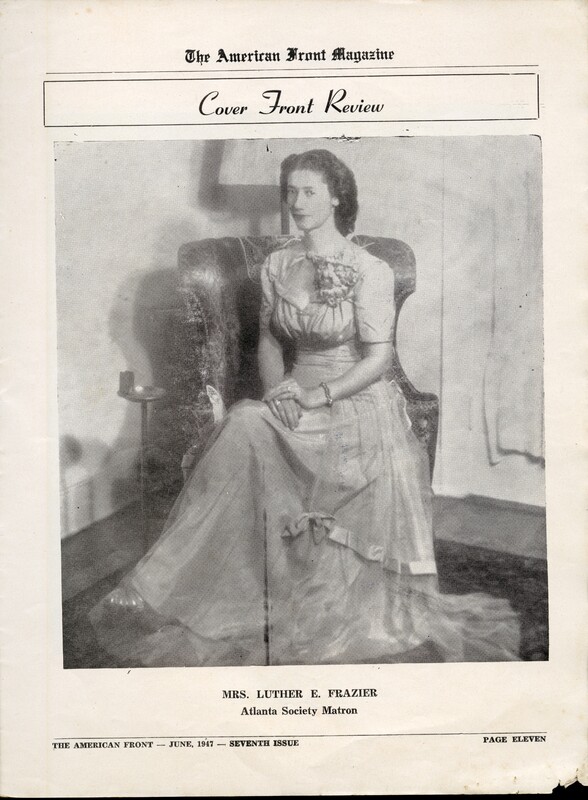
Atlanta society
Portrait photography
Formal dress
African American community leadership
1940s Black social elites
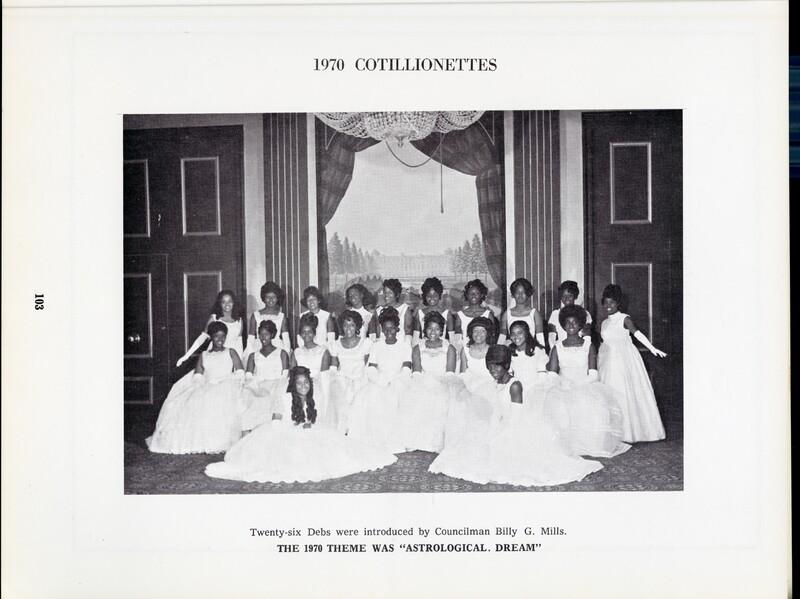
Group portrait of the 1970 Cotillionettes presented by the Los Angeles Chapter of Links, Inc., shown in a formal page from the 20th Annual Cotillion booklet. The young African American participants are dressed in white debutante gowns and gloves, seated and standing in a staged arrangement that reflects the elegance, discipline, and ceremonial traditions of cotillion culture. The event introduced twenty-six young women in a program celebrating refinement, education, and community leadership.
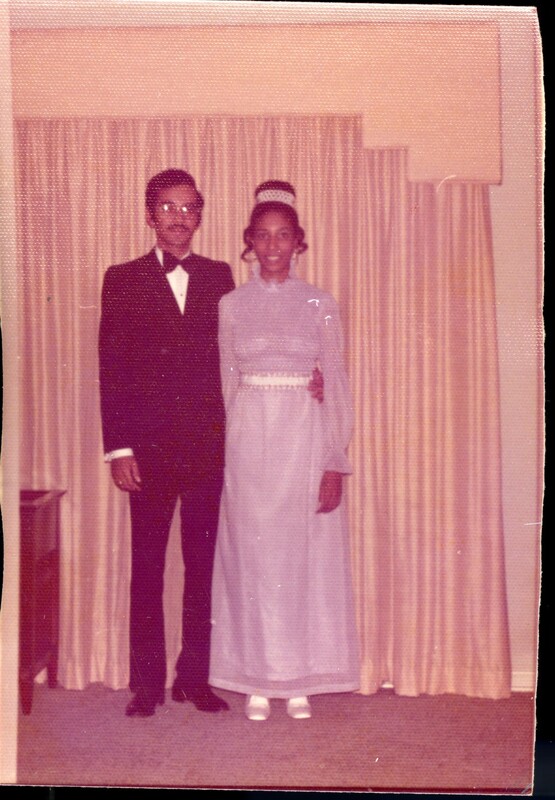
Portrait of Julia Bond standing with Dr. Horace Mann Bond in formal evening attire, circa 1973. Julia Bond wears a long, elegant gown and headpiece, while Dr. Bond stands beside her in a tuxedo. The photograph captures a moment of formality and refinement within an African American family, reflecting traditions of celebration, presentation, and social distinction.
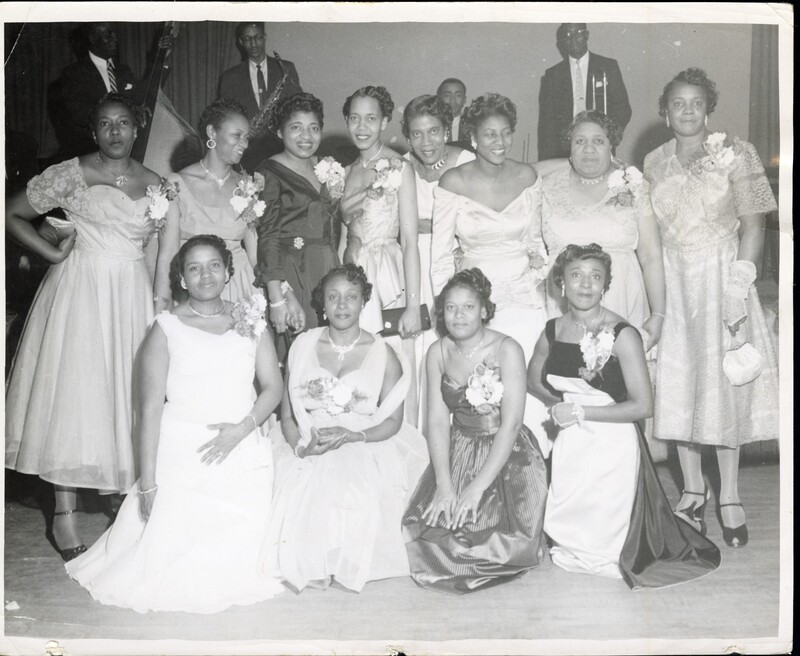
Group portrait of Frances Lawrence and several other African American women dressed in formal evening gowns during a mid-1950s social gathering associated with the National Conclave of Grady Graduate Nurses. The women are posed together on a stage in corsages and elegant attire, reflecting the sophistication and social traditions of professional Black women’s networks in the mid-twentieth century.
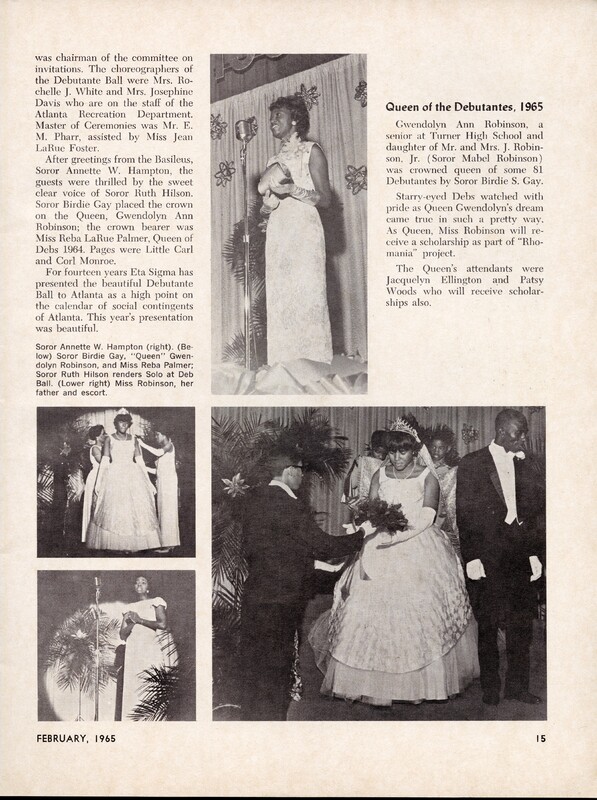
Magazine article from The Aurora (February 1965) featuring photographs from the Eta Sigma Chapter of Sigma Gamma Rho Sorority’s 1964 debutante ball. The images show the crowning of the “Queen of the Debutantes,” Gwendolyn Ann Robinson, and other young African American women participating in the formal presentation ceremony.
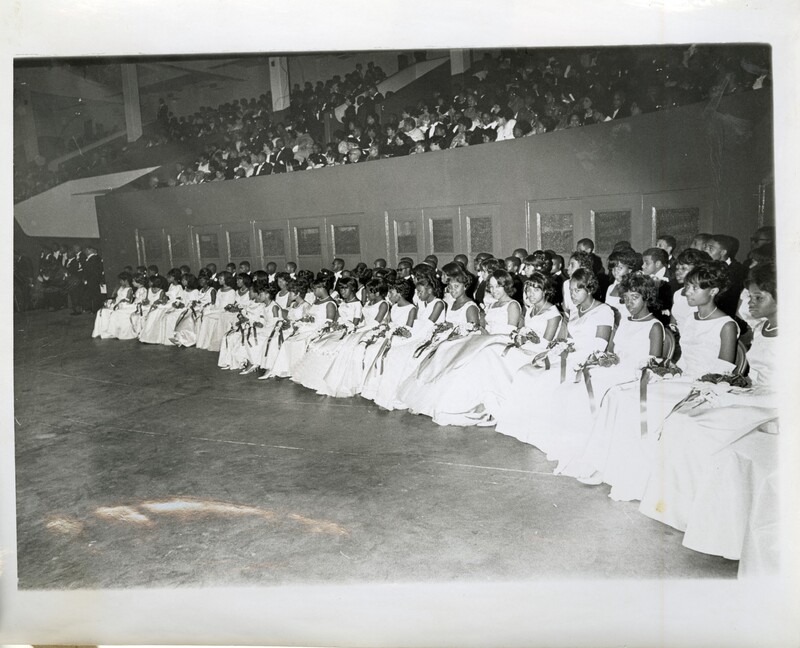
Black-and-white photograph of young African American women seated in a long row wearing formal white gowns and holding bouquets during the Eta Sigma Chapter of Sigma Gamma Rho Sorority debutante ball, 1967. The debutantes sit before a large audience gathered in a balcony and main floor, highlighting the scale and significance of the formal presentation ceremony.
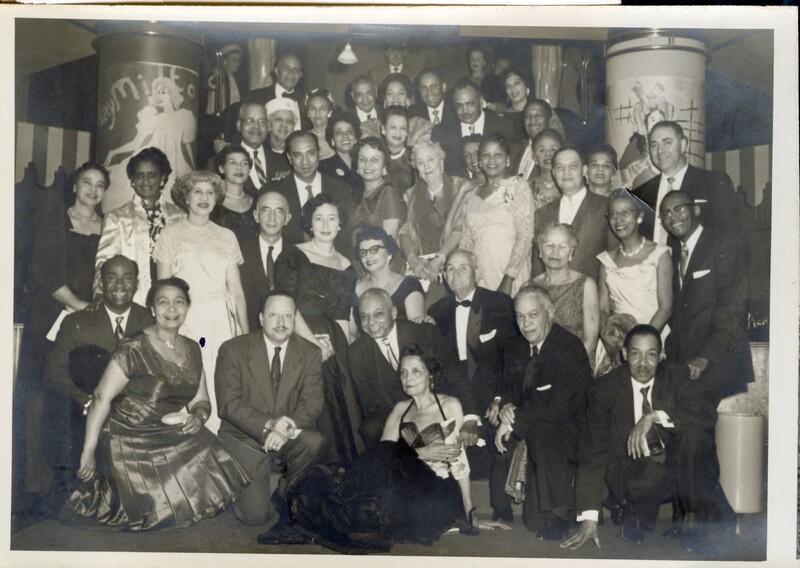
Black-and-white photograph of a group of elegantly dressed African American women and companions gathered at Frank Sennes’ Moulin Rouge nightclub in Hollywood, California, 1957. The women wear formal evening gowns, fur stoles, and styled coiffures typical of mid-century fashion, reflecting the glamour and sophistication of African American social life during the 1950s.
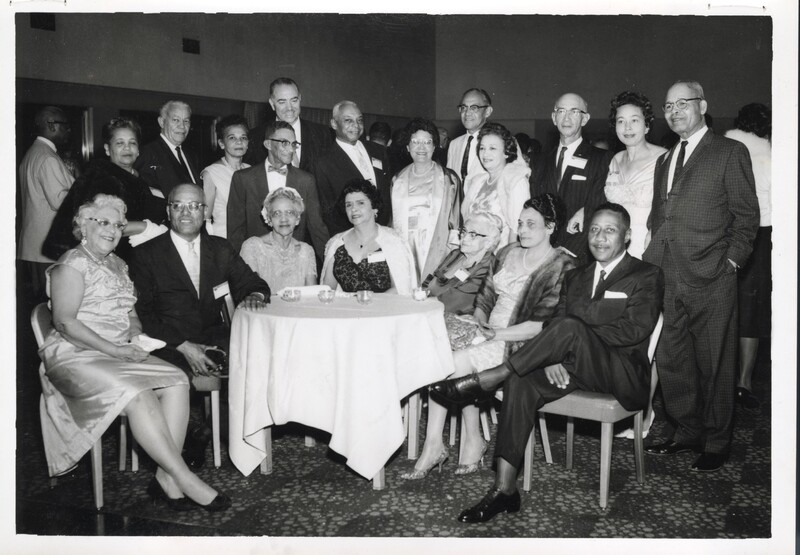
Black-and-white photograph of Dr. Henry Butler Jr. and Mrs. Rheba Butler seated with a group of formally dressed guests at a social gathering or reception, 1962.
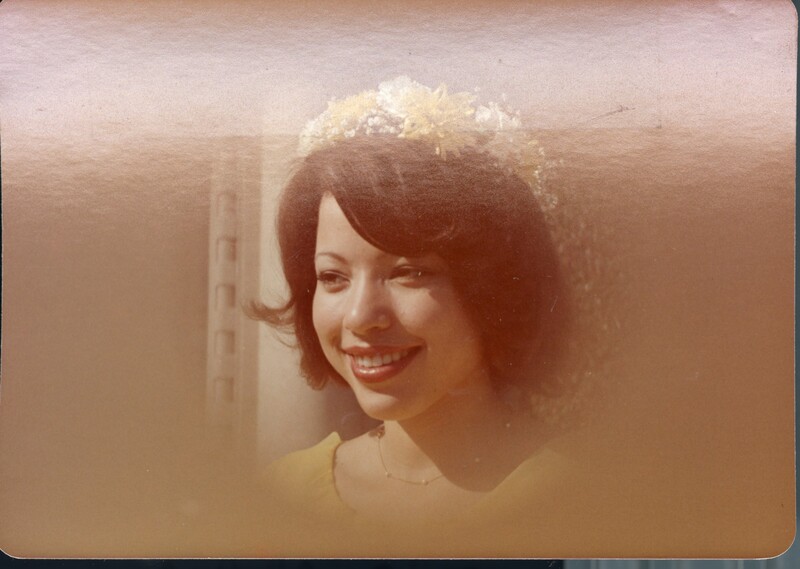
Color portrait photograph of Selena Sloan Butler's granddaughter Darrilyn Selena Butler at age 20, wearing a floral headpiece and smiling while looking off-camera, circa 1973.
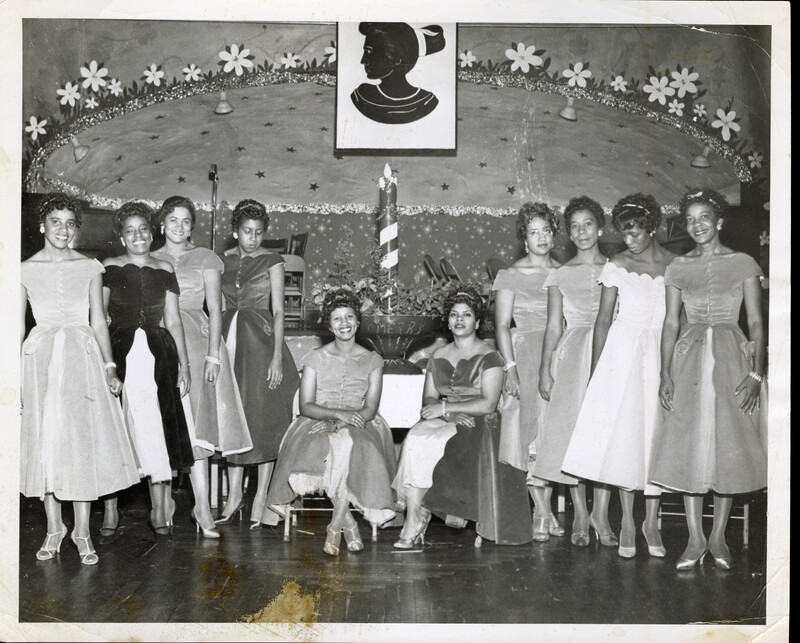
Black-and-white photograph of a group of young women in formal gowns posing on stage during a Christmas pageant, likely held in a church or community auditorium, circa mid-1950s. The stage is decorated with a holiday backdrop featuring stars, floral decorations, and a central candle display.
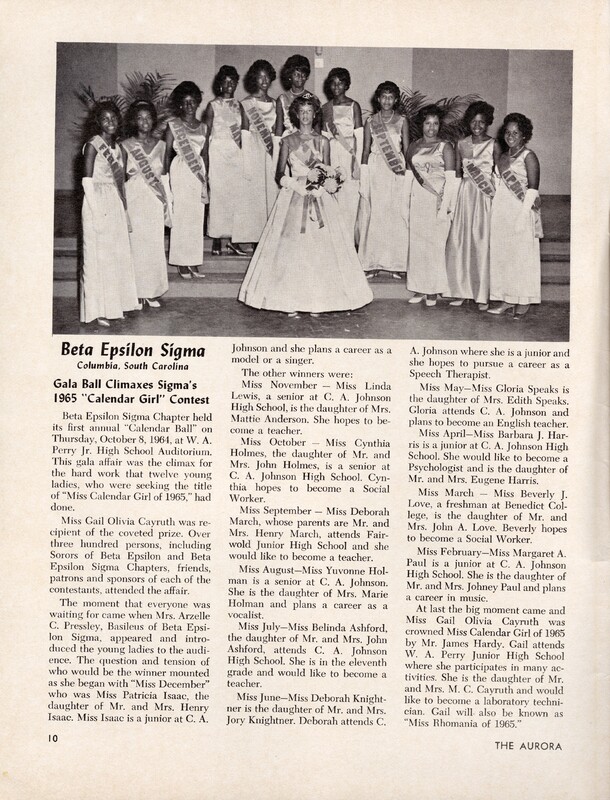
Magazine article from The Aurora featuring the Beta Epsilon Sigma Chapter of Sigma Gamma Rho Sorority’s 1965 “Calendar Girl” contest and annual Calendar Ball held in Columbia, South Carolina. The article includes a group photograph of the student contestants representing the months of the year and identifies Gail Olivia Cayruth as the 1965 Calendar Girl winner.
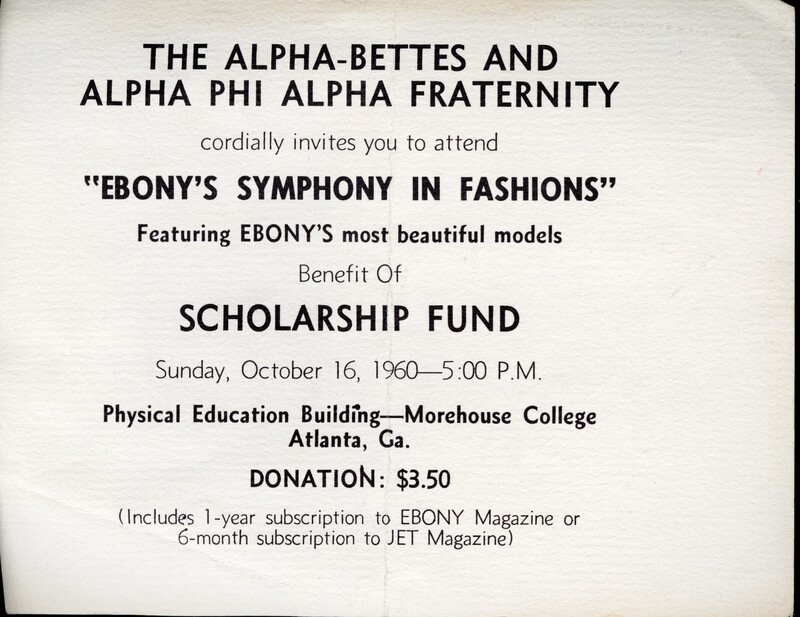
Hand-tinted flyer advertising a fashion show hosted by the Alpha Bettes and Alpha Phi Alpha Fraternity to support the “Bonny’s Styles and Fashions” scholarship fund at Clark College, Atlanta, Georgia, 1960.
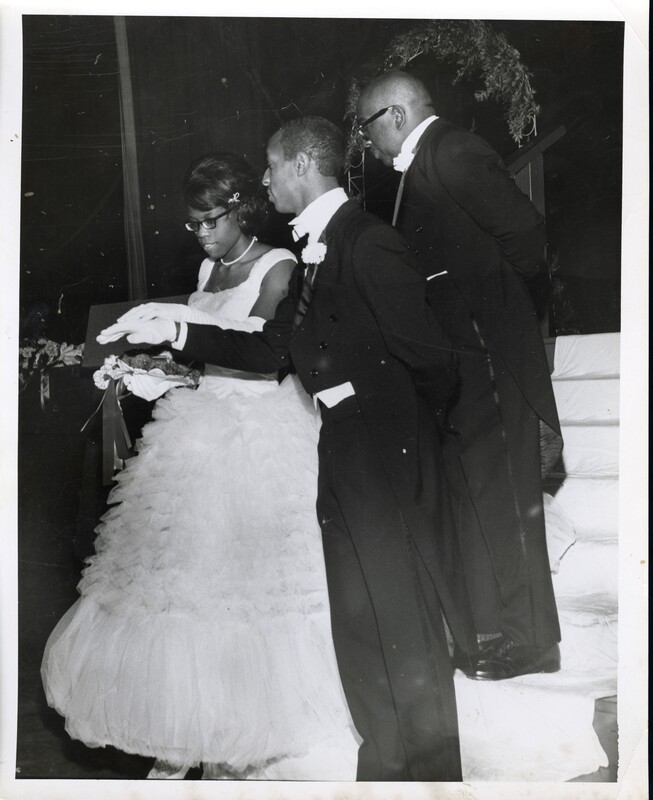
Black-and-white photograph of a teenage girl being escorted by a teenage boy during a cotillion or debutante presentation while her father follows proudly behind them, circa mid-1960s.
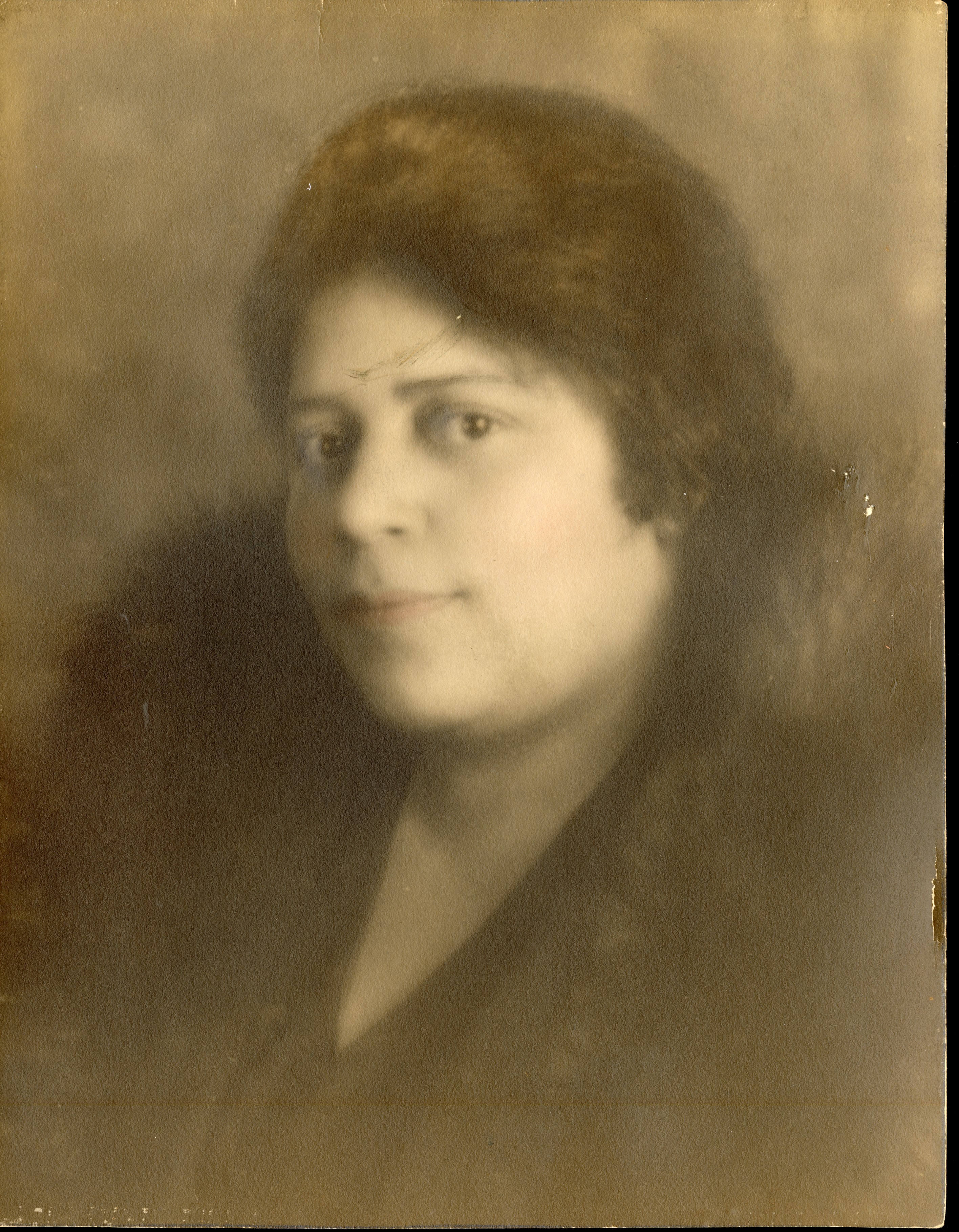
Sepia-toned studio portrait of a woman identified as Alice, taken in 1931. She has dark hair styled in soft waves and wears a dark blouse or dress. She is posed in a three-quarter profile, looking slightly to the side with a calm expression against a plain studio backdrop. (Wm. & Mary Jackson Collection).
Cover of Venus Magazine (October 1995), featuring the headline “A Call to Action!” and highlighting how America’s Black gay men and lesbians responded to the Million Man March. The cover includes a photograph of two individuals on a motorcycle during a community gathering, along with feature mentions of Urvashi Vaid and national conversations on equality and activism among LGBTQ people of color.
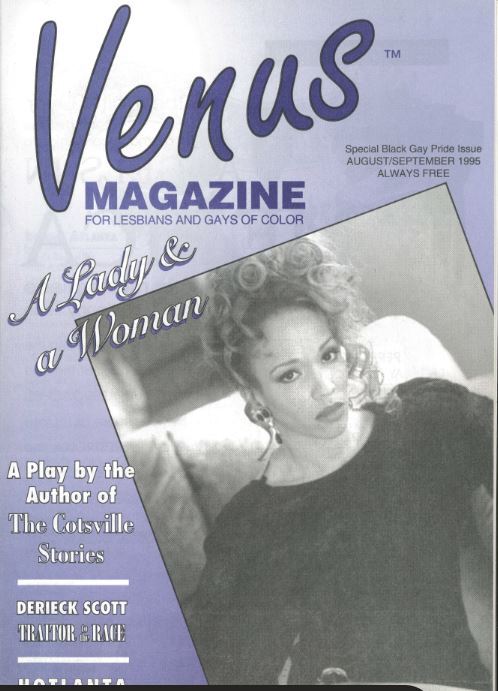
Cover of Venus Magazine (August/September 1995), a special Black Gay Pride issue featuring the headline “A Lady & a Woman.” The cover spotlights Black LGBTQ+ arts and culture, including a play by Derieck Scott and features related to the Cotsville Stories. Venus was one of the most prominent publications centering lesbians and gays of color in the 1990s.
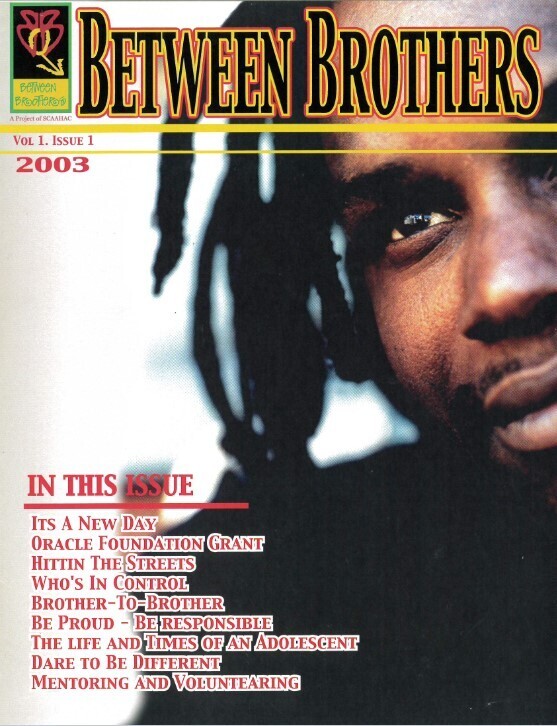
Color magazine cover for Between Brothers, Vol. 1, Issue 1 (2003), a publication produced by BEBASHI’s “Brotherhood” program and circulated within Black same-gender-loving and HIV/AIDS advocacy networks. The cover features a close-up portrait of a Black man with locs, alongside a table of contents highlighting themes of mentorship, responsibility, adolescent development, street outreach, and brotherhood-focused community support.
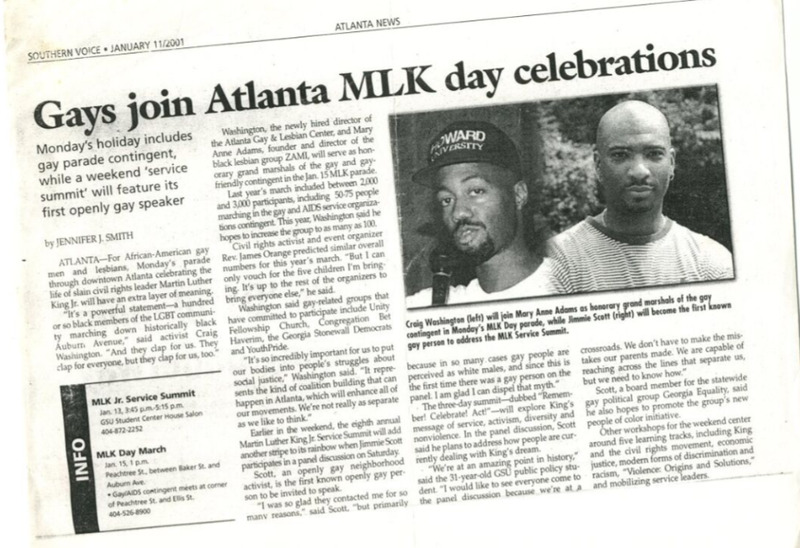
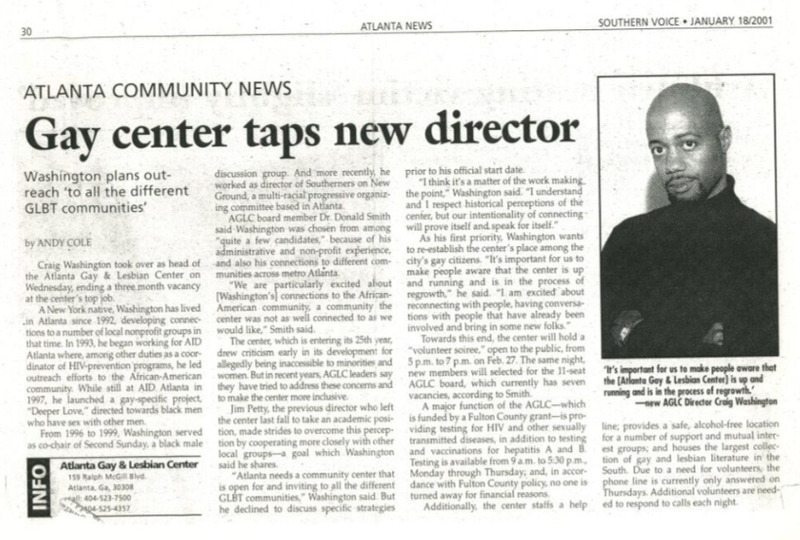
Newspaper article from Southern Voice announcing Craig Washington’s appointment as Executive Director of the Atlanta Gay and Lesbian Center. The article details Washington’s plans to expand outreach across Atlanta’s diverse GLBT communities and continue the Center’s legacy of advocacy, education, and health programming.
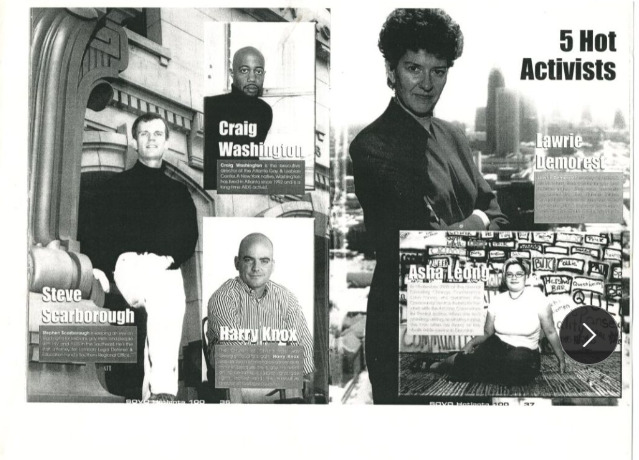
Magazine feature spotlighting five Black LGBTQ+ activists, including Craig Washington, Steve Scarborough, Harry Knox, Ashé L. Louise, and Lawrie Demorest. The article celebrates their leadership and advocacy for equality, community health, and social justice across the South.
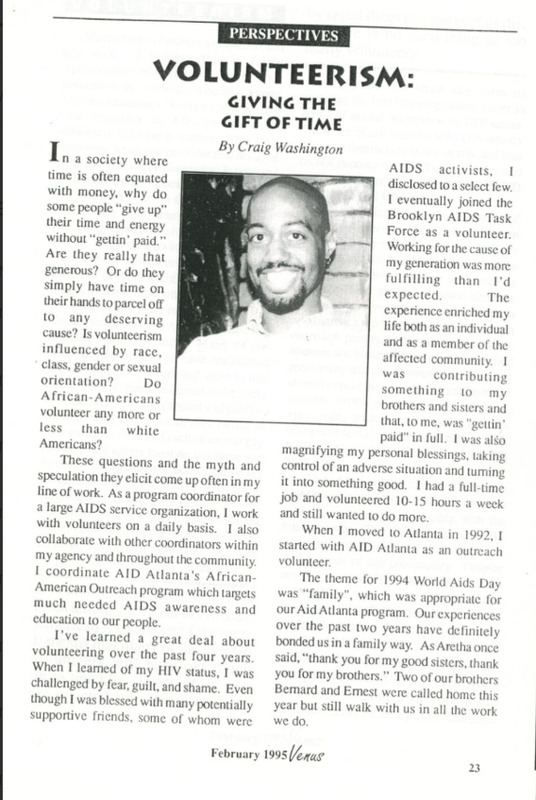
Published in Venus Magazine, this essay by Craig Washington reflects on the meaning of volunteerism, particularly in the context of African American communities and AIDS activism. Washington discusses his work with AID Atlanta’s African-American Outreach program and the importance of service, empathy, and kinship in building resilient communities.
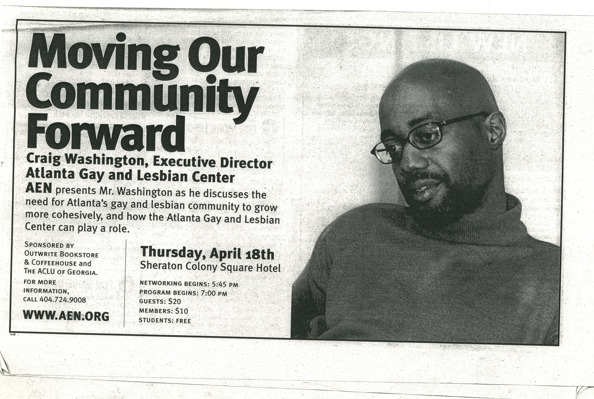
Promotional flyer for a community discussion titled “Moving Our Community Forward,” featuring Craig Washington, Executive Director of the Atlanta Gay and Lesbian Center. The event, hosted by AEN, explored strategies for Atlanta’s gay and lesbian community to grow collectively and engage civic issues.