Festivals and Conferences
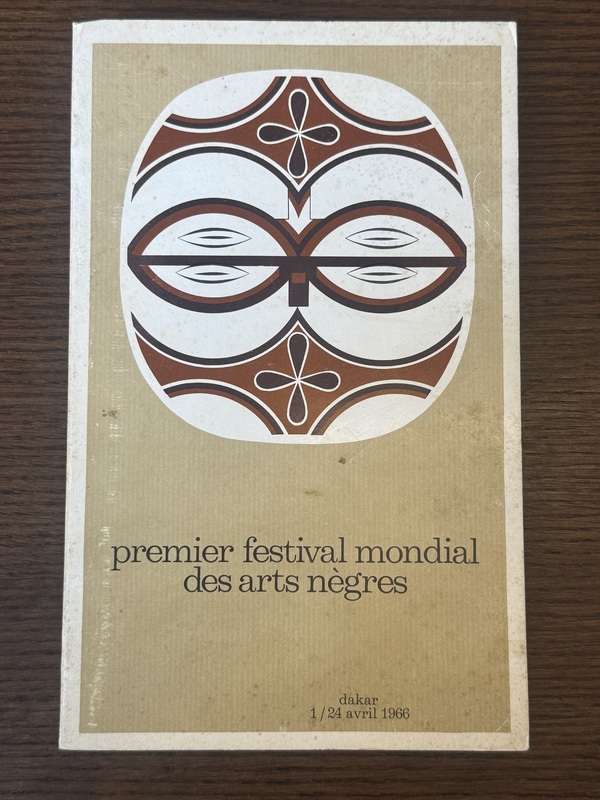
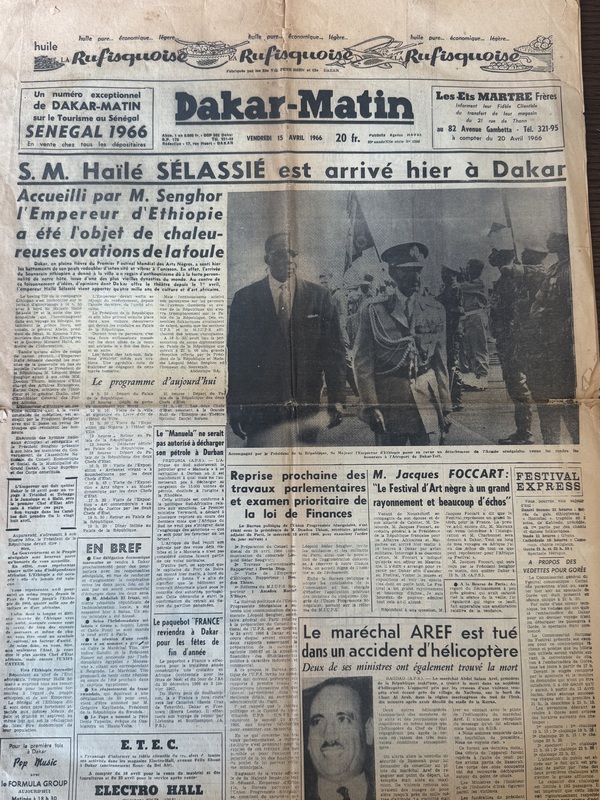
First World Festival of Negro Arts – Dakar Senegal 1966
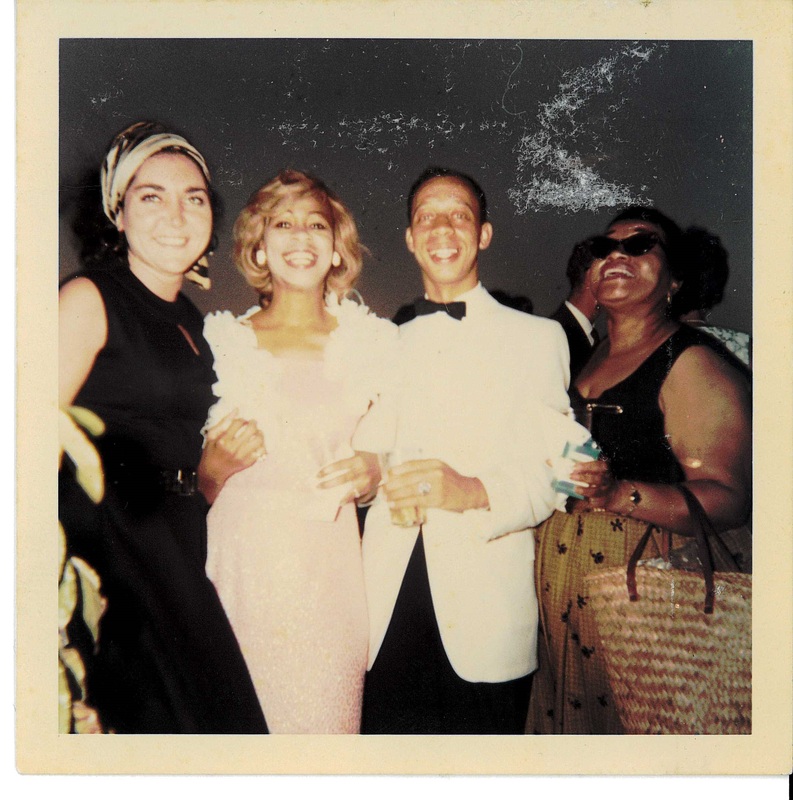
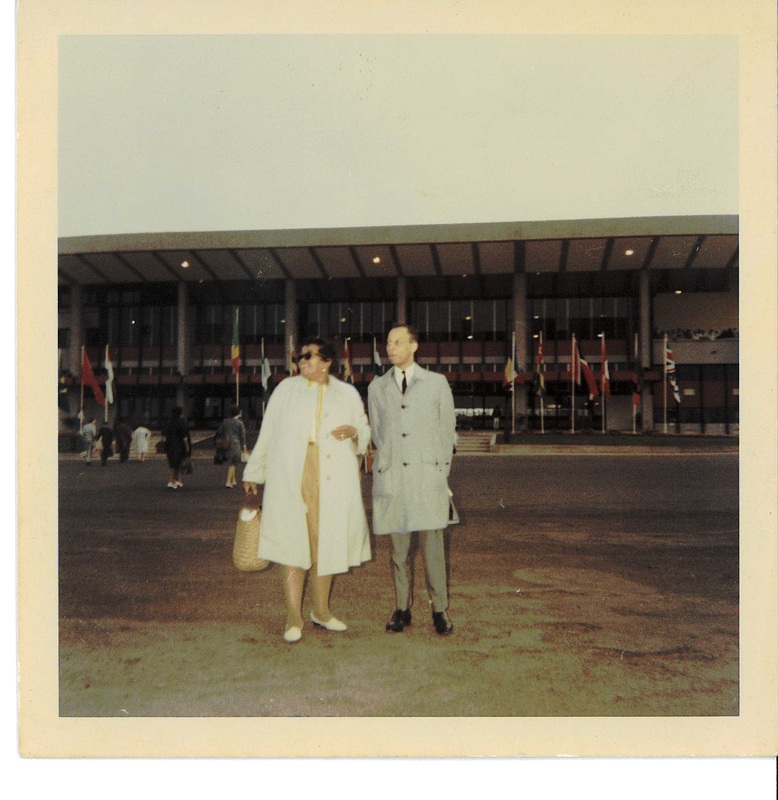
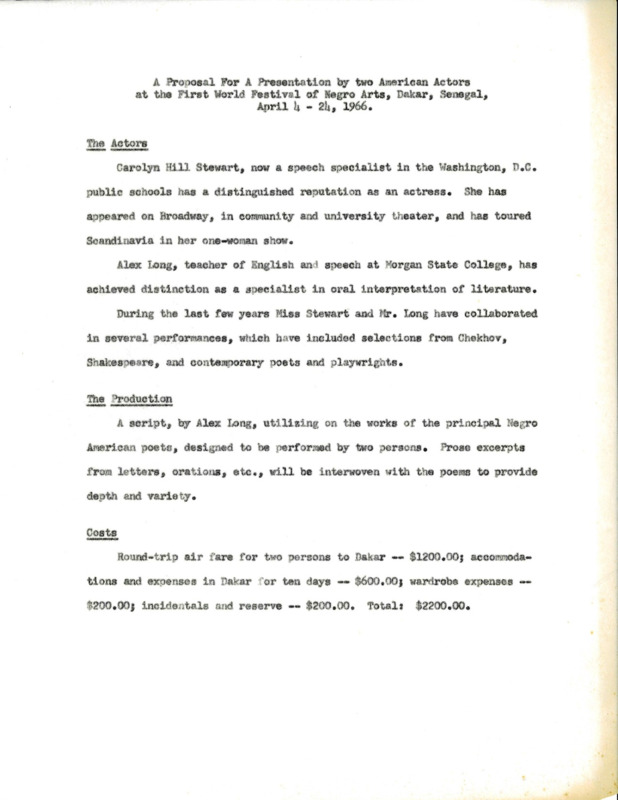
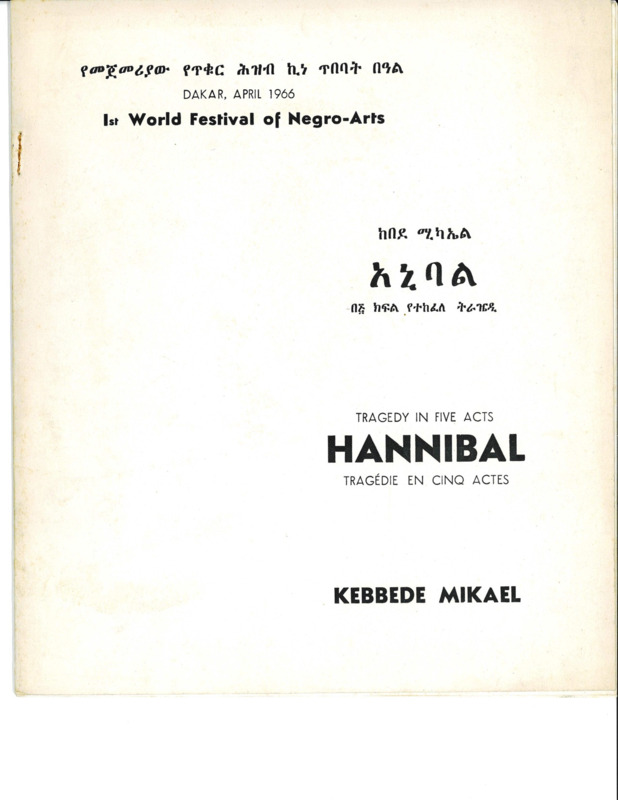
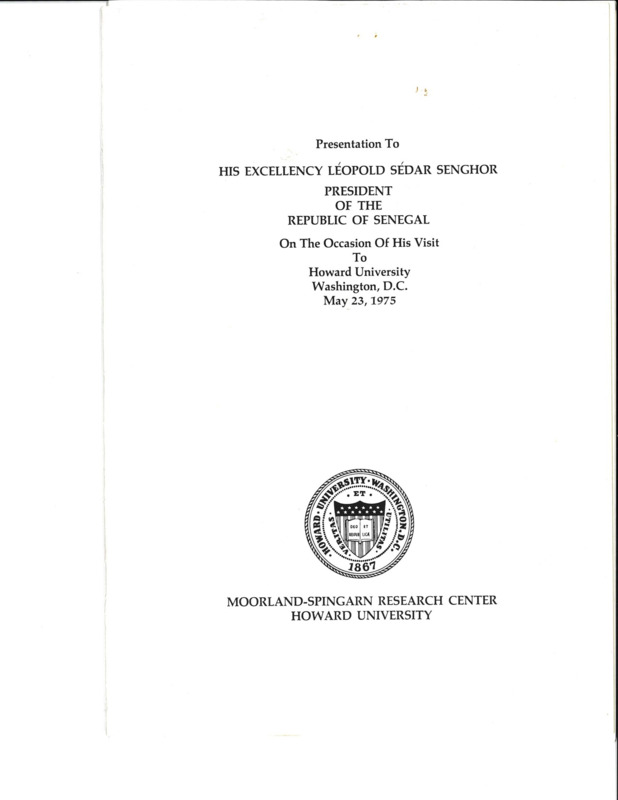
The First World Festival of Negro was created by Leopold Sadar Senghor, President of Senegal. The Festival was held from April 1 -24, 1966 in the capital city Dakar where the festival saw a historic turn out of more than 2,500 participants from around the world. The objectives of the festival where to: (1) advance international and interracial understandings, (2) tie the African homeland to external diasporic members, (3) promote the philosophy of Negritude, and (4) allow Negro artists to meet and showcase talents to members/outlets of the international art world. Richard Long attended the conference as an Edcautor/Instructor from Morgan State University. The conference had a profound effect on the type of work Long would later produce throughout his career. After the his attendence of the First World Festival, Long's scholary focus aligned with black diasporic arts almost exclusively; which influenced Dr. Long's decsion to leave Morgan state and become Hampton University's Director of the University Art Museum where he promoted African and African American art.
Richard Long and the Négritude Movement
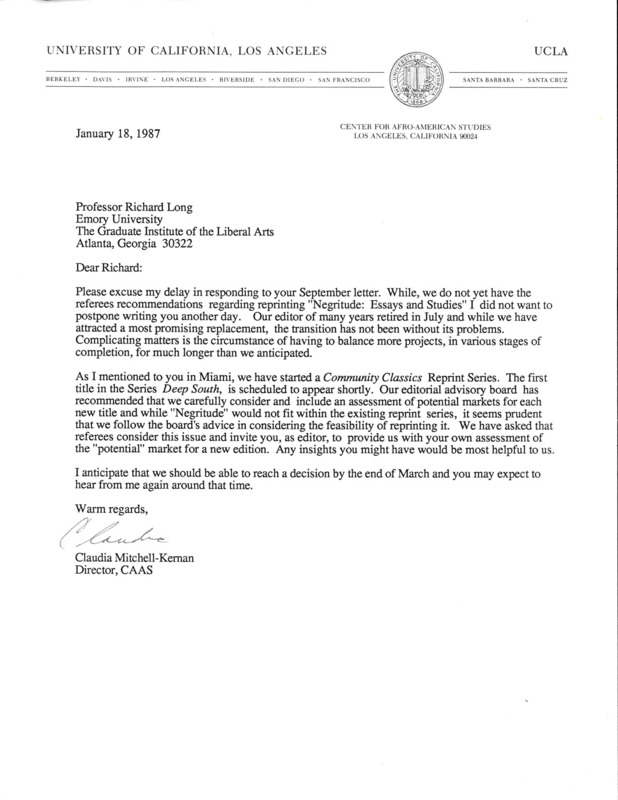
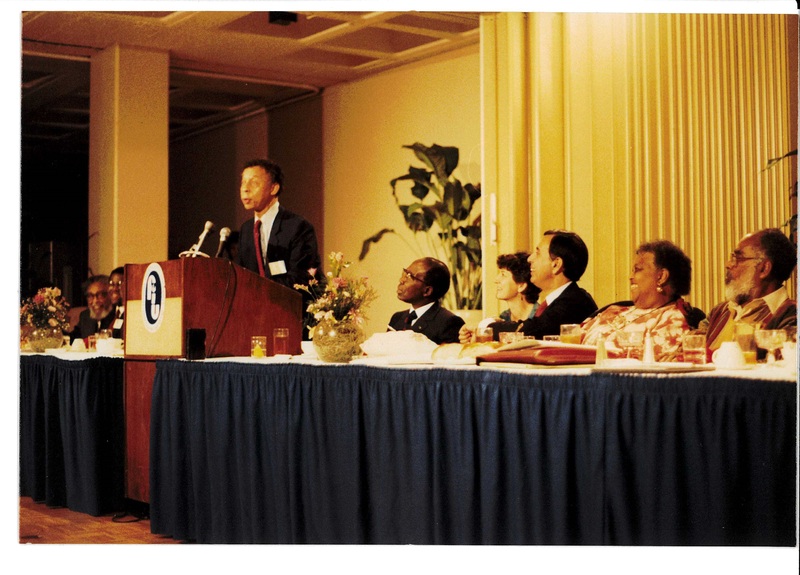
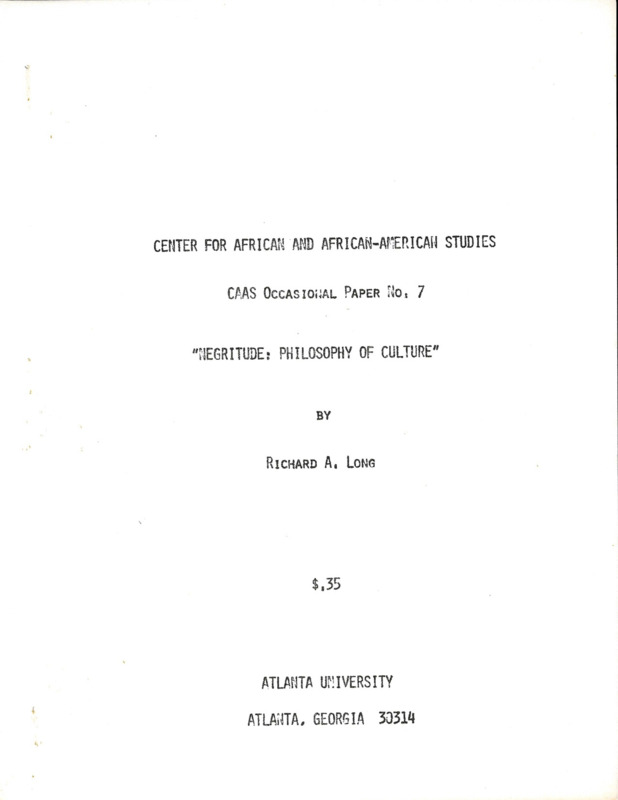
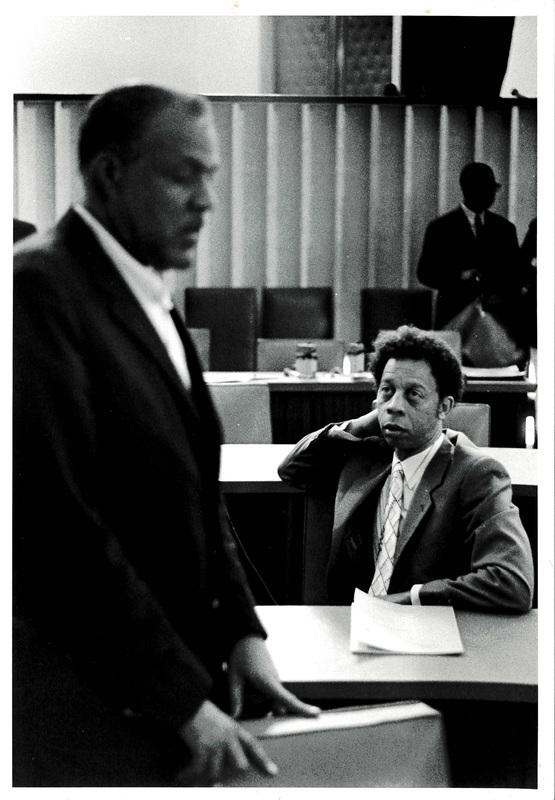
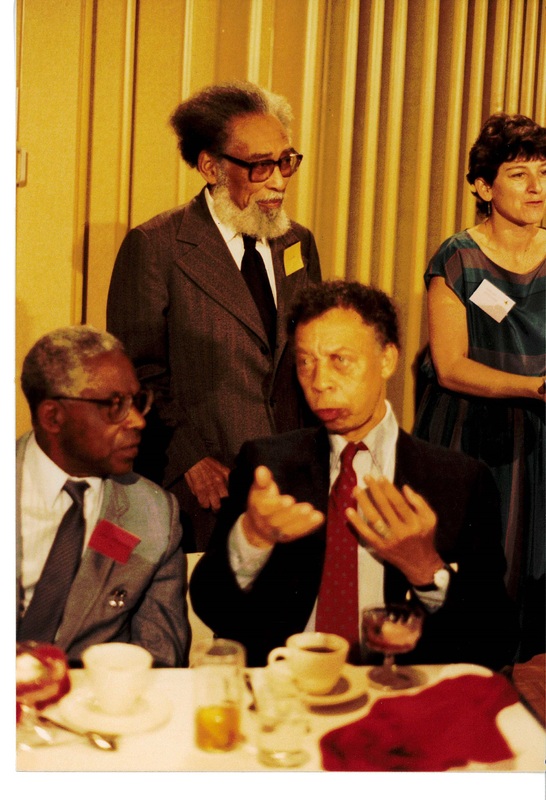
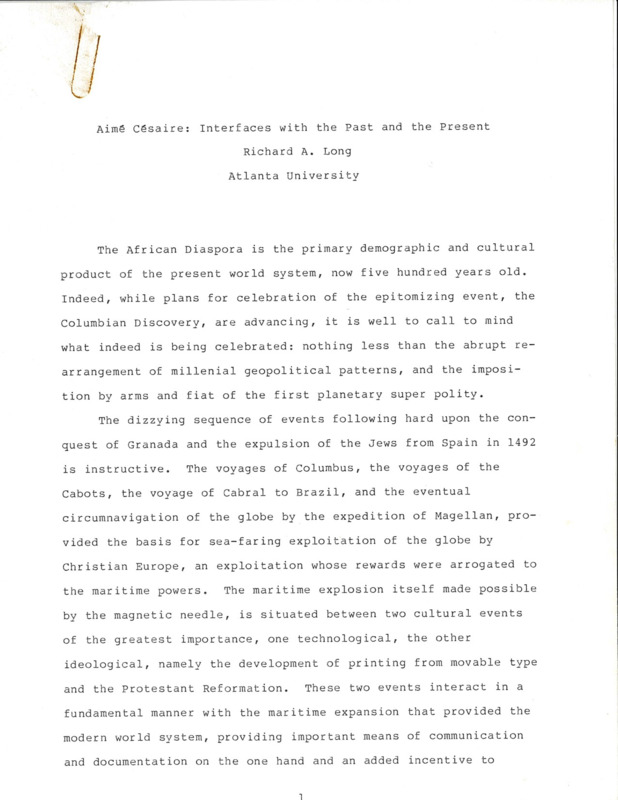
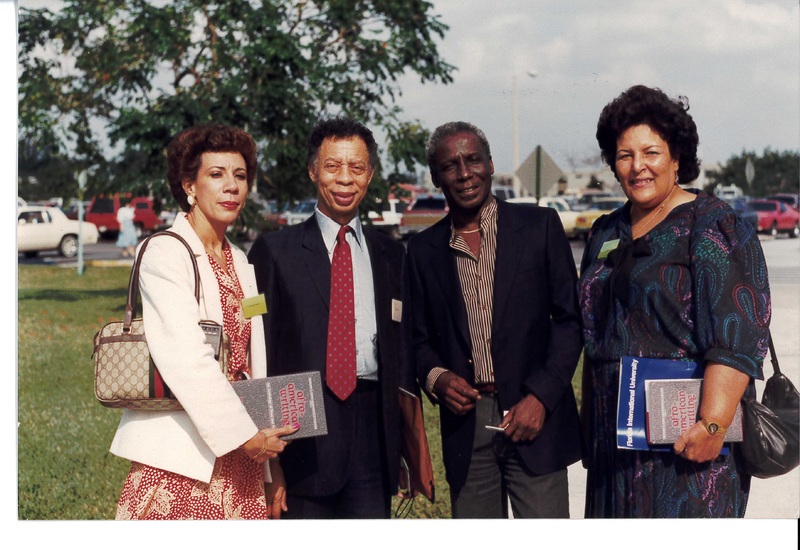
Négritude is a intellectual movement and philoshphy based on pan africanism ideas of african self identity, anti colonialism of african, and departure from western ideology from french occuiped countries within the African Diaspora. The creators and leaders of Négritude were Aime Ceasaire, Leopold Senghor, and Leon Damas. All hailing from different french occupied countries in either the West Indies or Africa. Concered with the condition of black people throughout the diasporia and influenced by Alain Locke of the Harlem Renissance and WEB DuBois idea of "Double Conscieness" , Ceasaire, Senghor and Damas published the first Négritude works while students studying in Paris in the 1930s. Richard Long's evolement with the Négritude Movement began with his arrival in Paris as Fulbright Scholar in the early 1950s. In Paris, Long embraced the works of Ceasaire, Senghor, and Damas which helped shape his understanding of the african diaspora as a young scholar. Although pan-africanist in nature, Negritude has had a heavier hand in scholarship and the arts such as poetry, the visual arts and literature. Because of this, Negritude greatly appealled to Long as opossed to other forms of pan-africanist thought such as Garveyism. From the 1950s to the end of his Life, Dr. Long remained close to the Negritude movement writing papers, giving lectures, and attending various conferences on Negritude in Senegal, Nigeria, and Miami.
New World Festivals of the African Diaspora
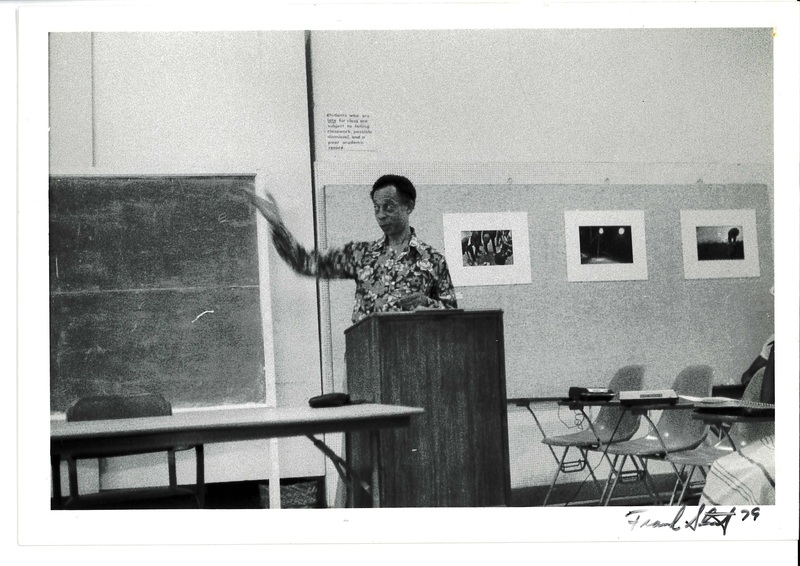
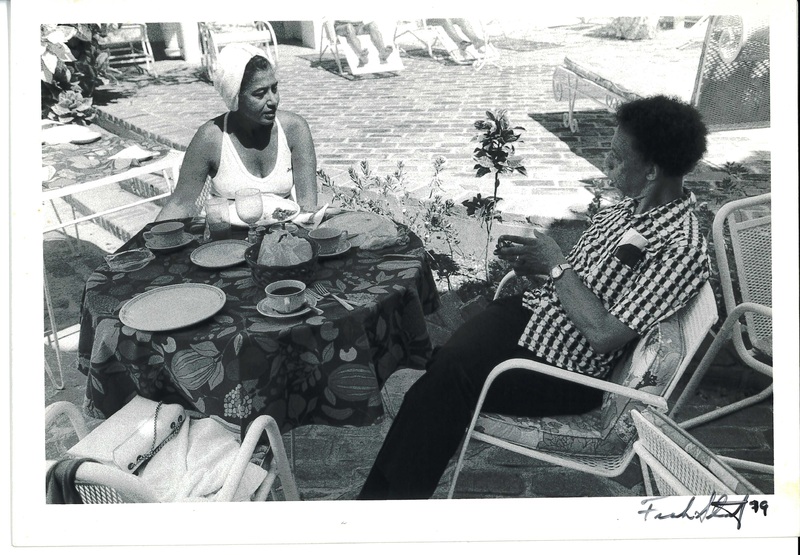
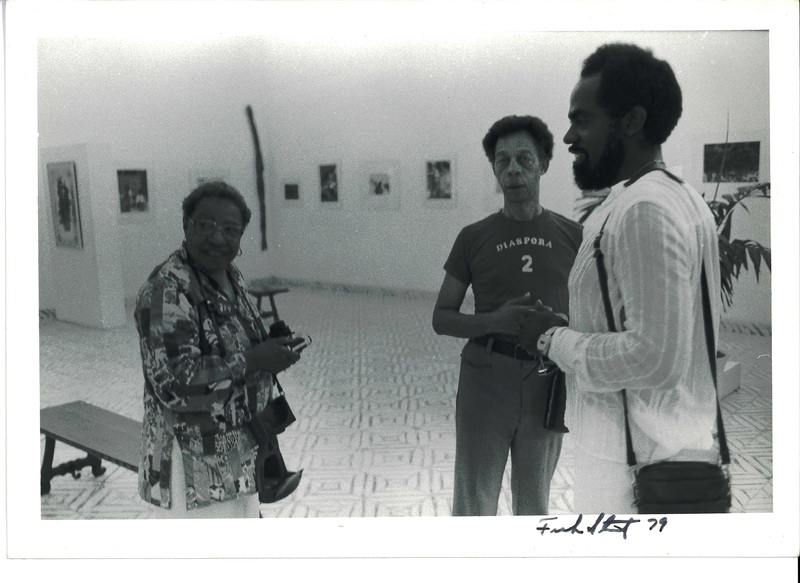
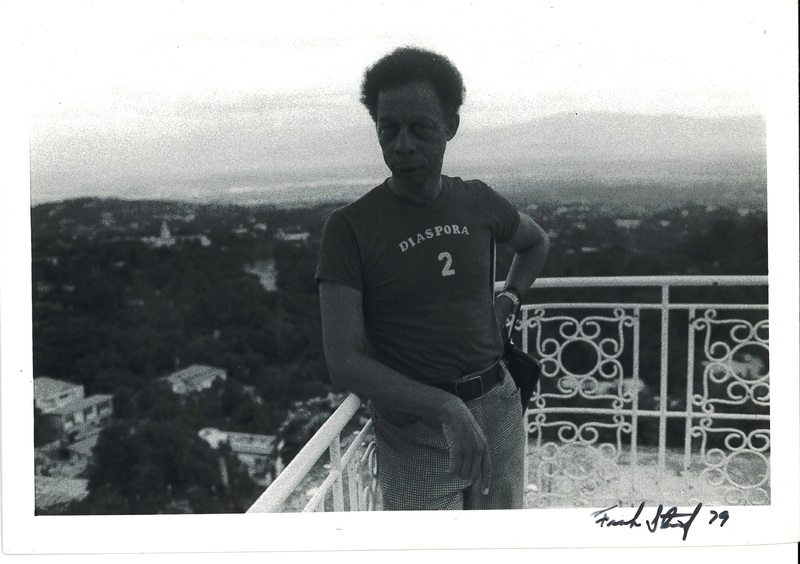
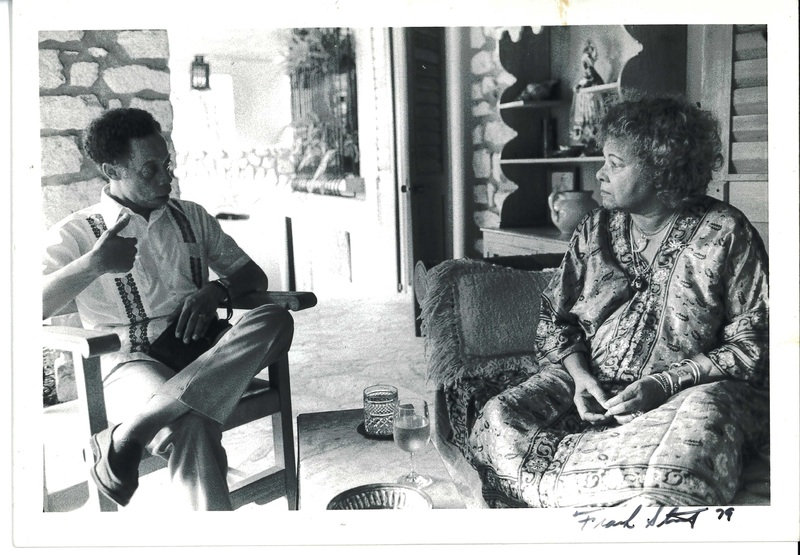
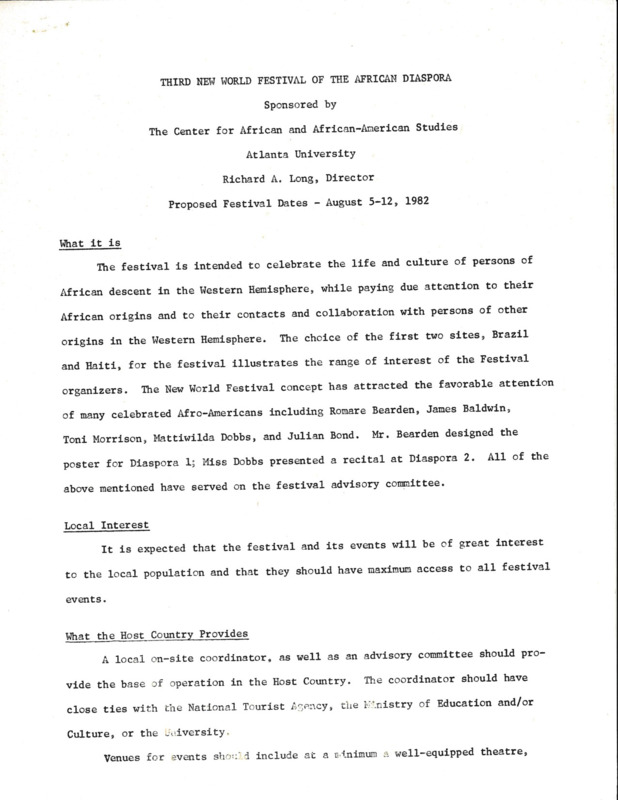
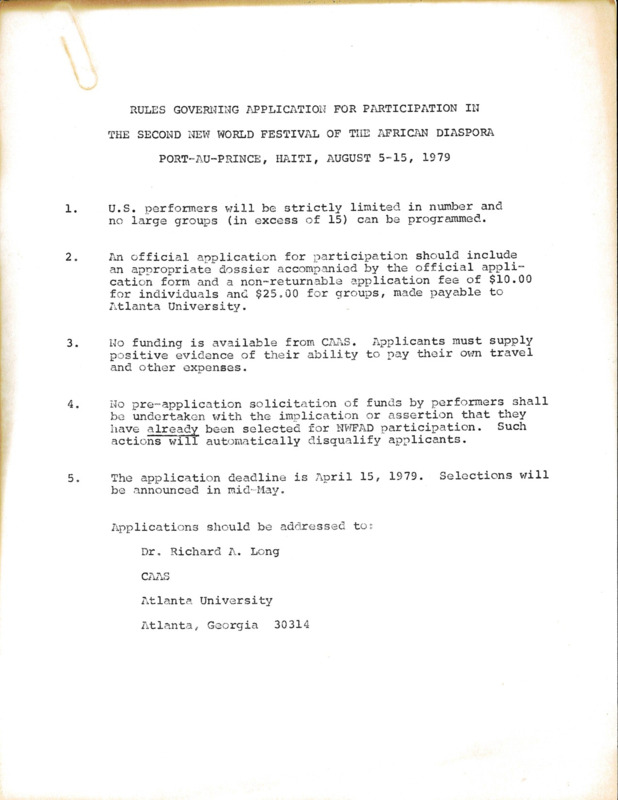
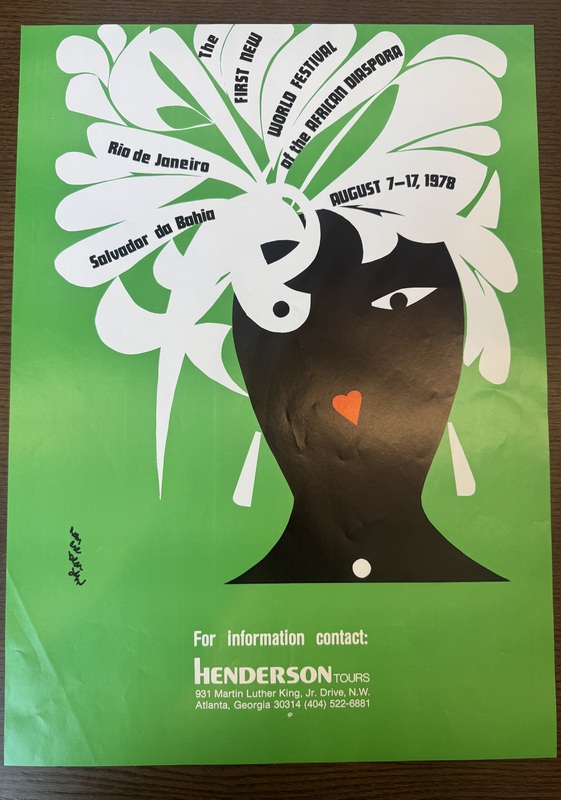
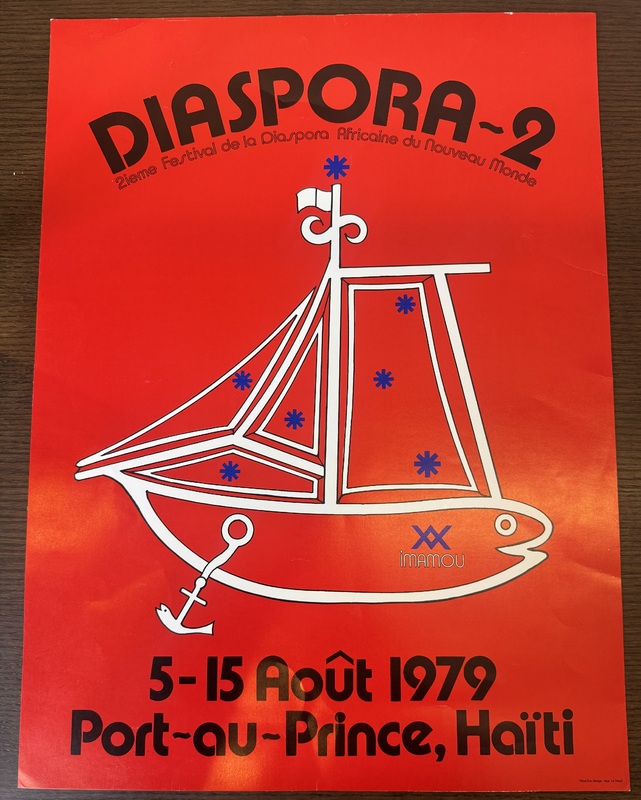
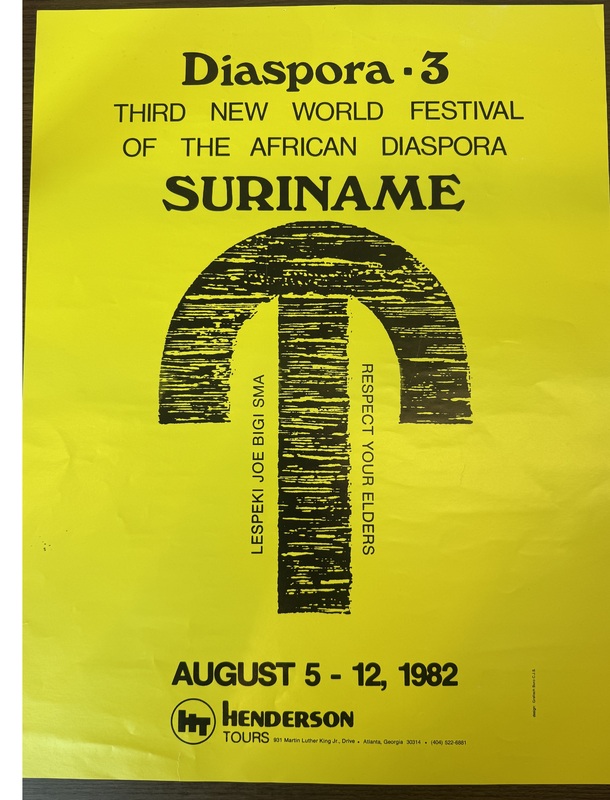
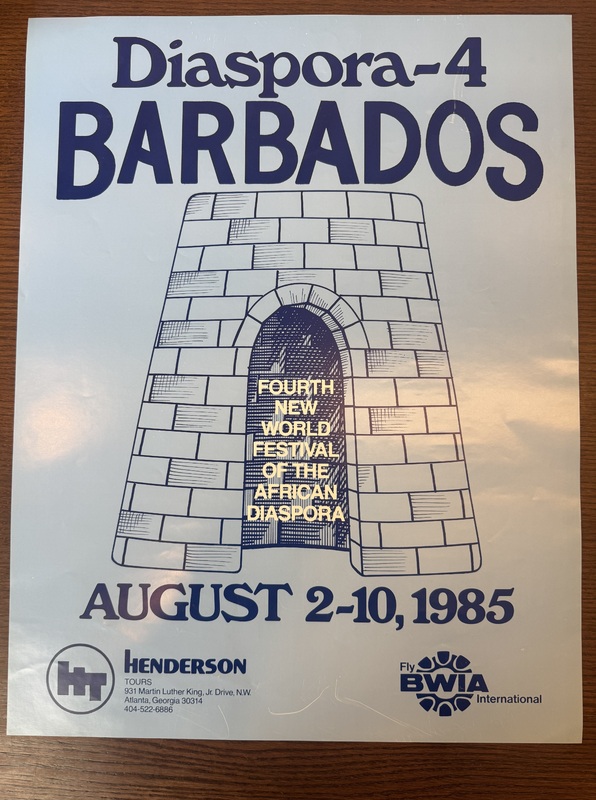
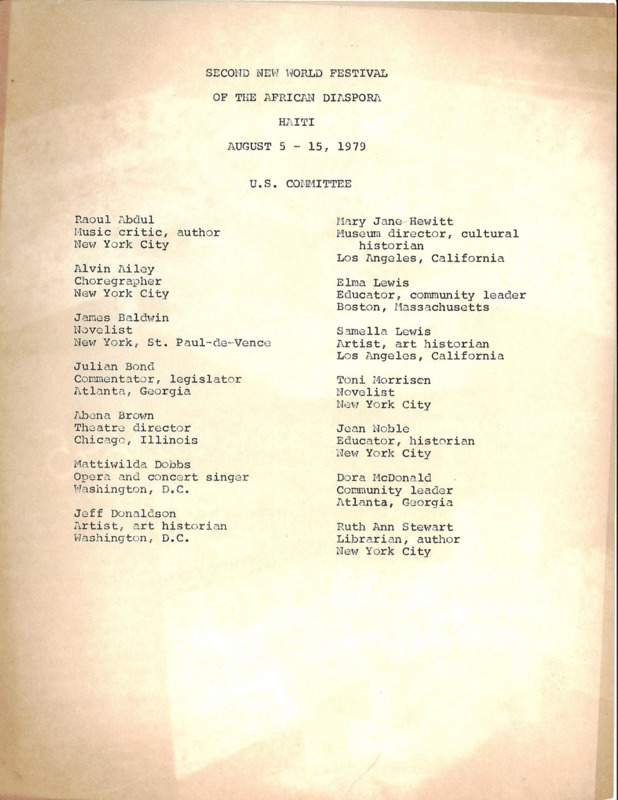
Inspired by his attendence at the First World Festival of Negro Arts in Dakar Senegal in 1966 and being a consultant for the second (FESTAC 77) In Lagos, Nigeria Long decided to create his own festival centered around black art. In continitng the spirit of the Clark Atlanta African American Studies conferences Long established in 1968, Long wanted to focus on the same tradition of black scholarship through the lens of black diaspora art. The First conference was held in Bahia, Brazil in 1978. Notable attendees and or contributors for these festivals included: Maya Angelou, Romare Bearden, James Baldwin, Toni Cade Bambara, and Hoyt Fuller. The festival locations include : Brazil in 1978 (1st) Haiti in 1979 (2nd), Suriname in 1982 (3rd) Barbados in 1985 (4th) and returning to Brazil in 1988 for it's tenth anniversay. The New World Festival concluded in (1988)
National Black Arts Festival
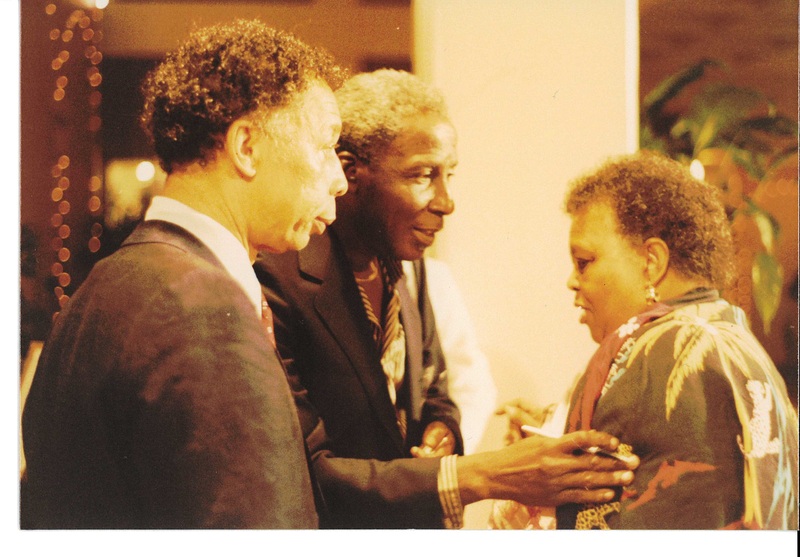
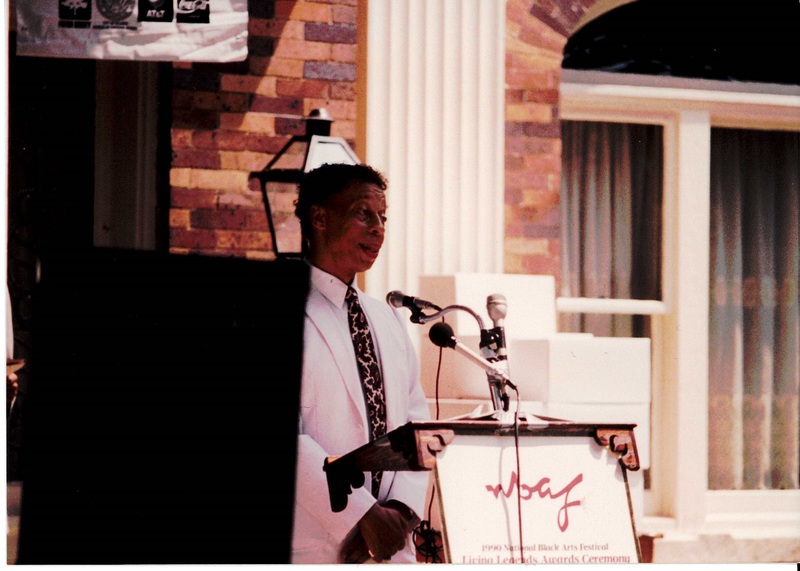
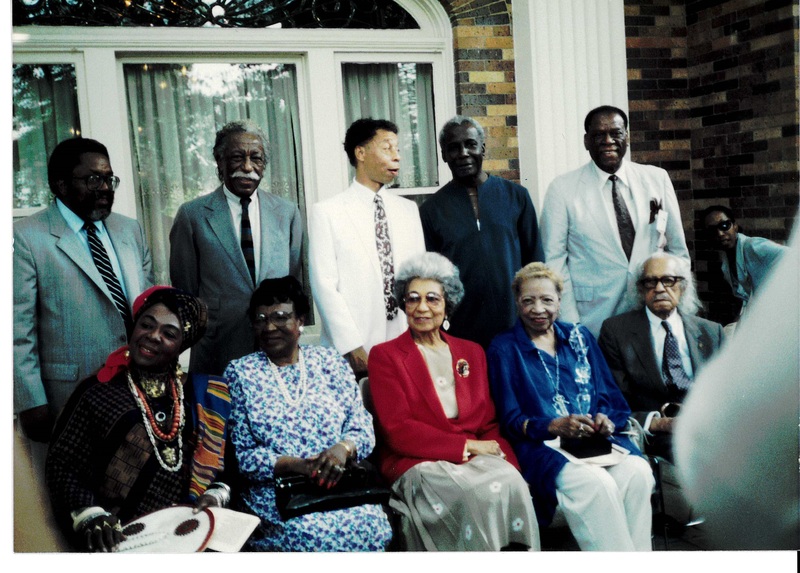
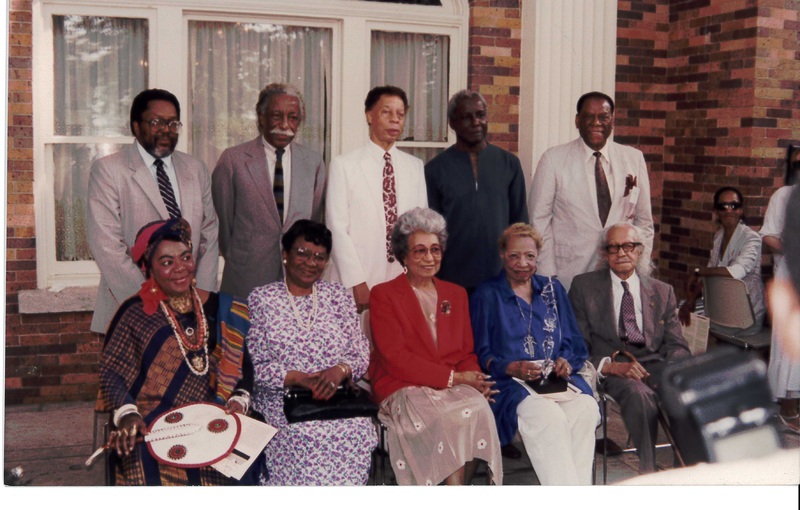
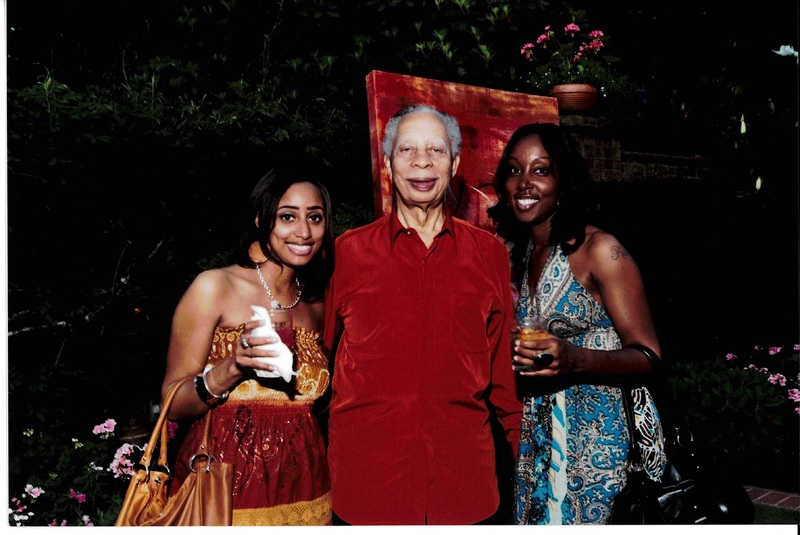
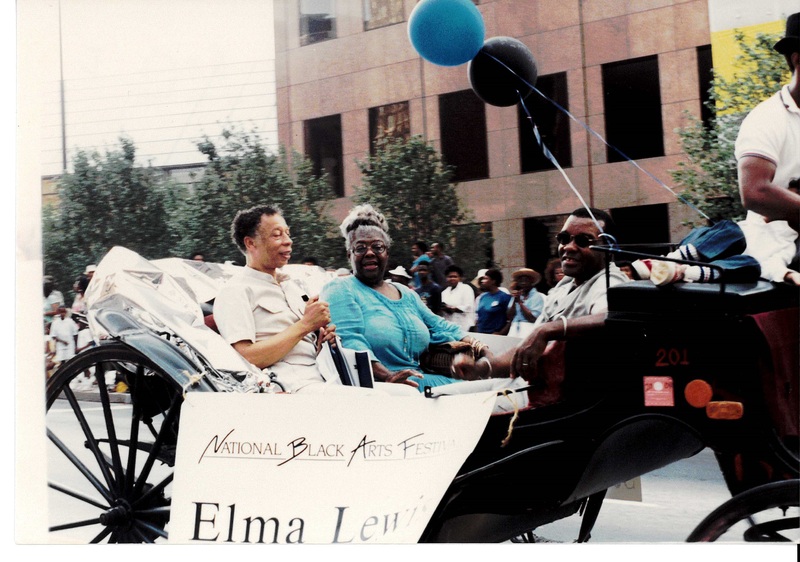
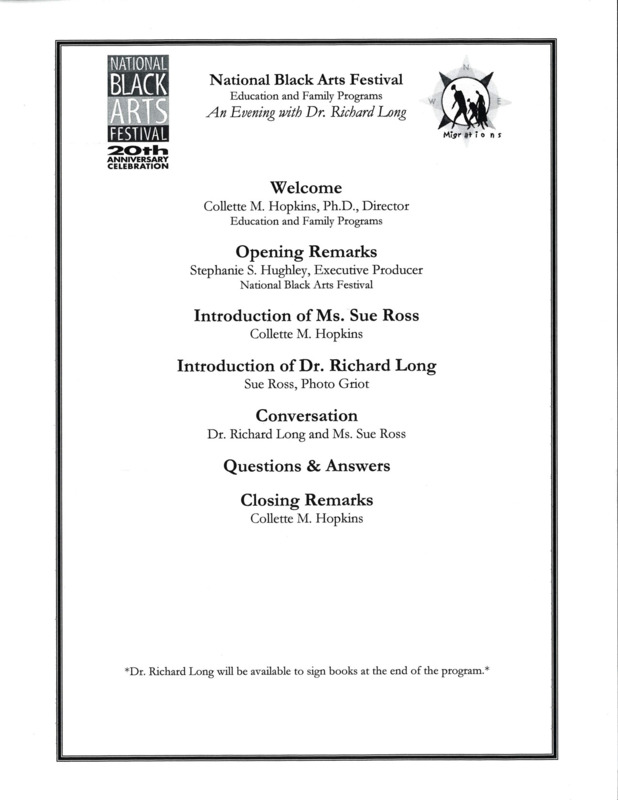
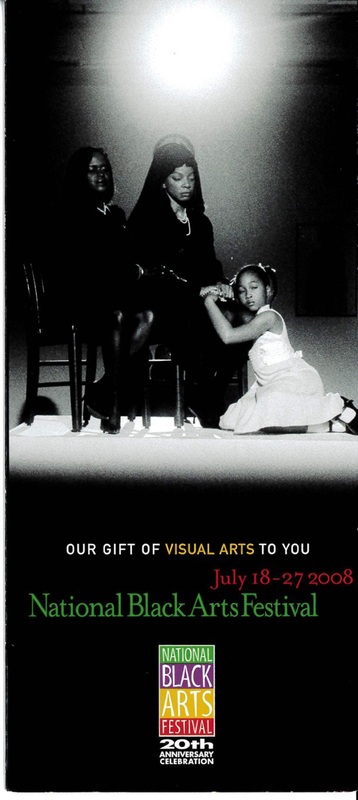
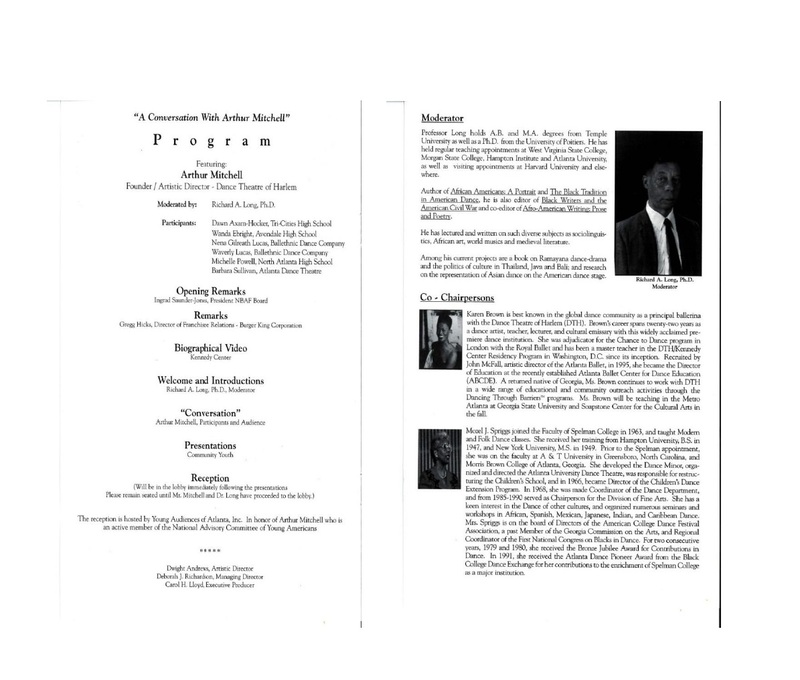
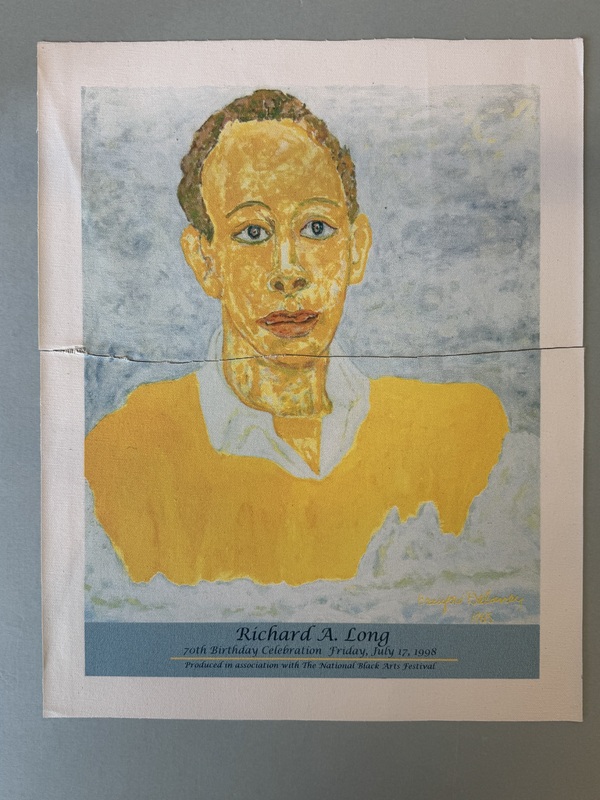
The National Black Arts Festival was created in by the Fulton County Arts Council in 1985. The original and current goal of the festival is to highlight and celebrate art of people of african descent. Since the festival's inception in 1985, Richard Long served as a consaltnat and national planner for the festival until his death in 2013. In the first few years of the festival, notable artists such as Gordan Parks, Katherine Dunham, Spike Lee, Louise Meriwether, David Driskell and many others attended the Festival. While attending the festival in Atlanta, many notable artists found themselves as guests in Dr. Long's Inman Park home where he held room for fellowhip and parties. In 1998, Dr. Long Celebrated his 70th In conjuction with National Black Arts Festival with notable attendees, Maya Angelou, Amiri Baraka and Eleanor Traylor.
ZORA! Festival
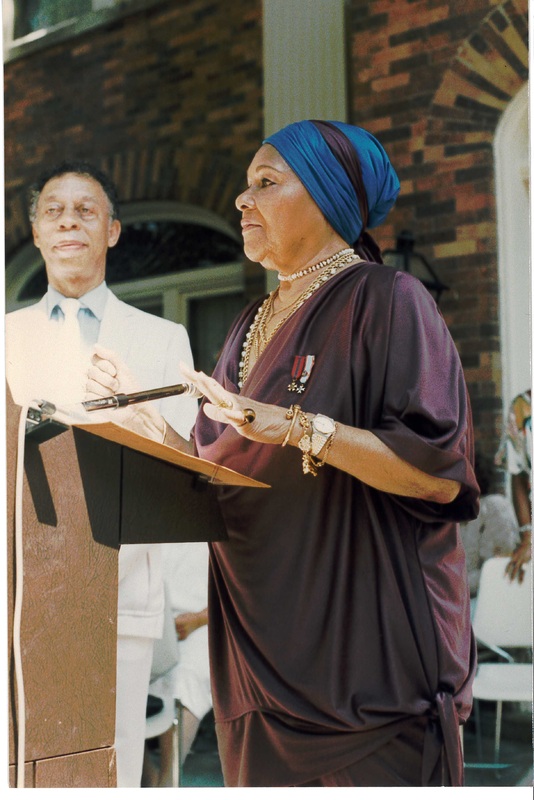
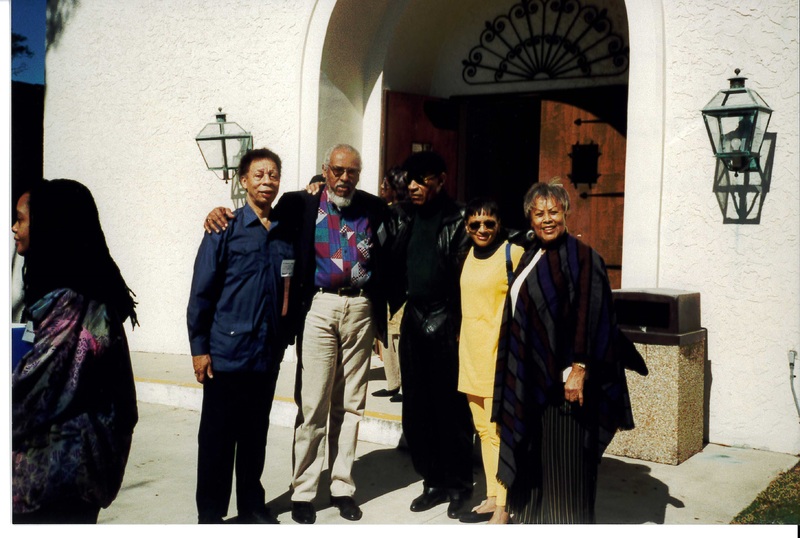
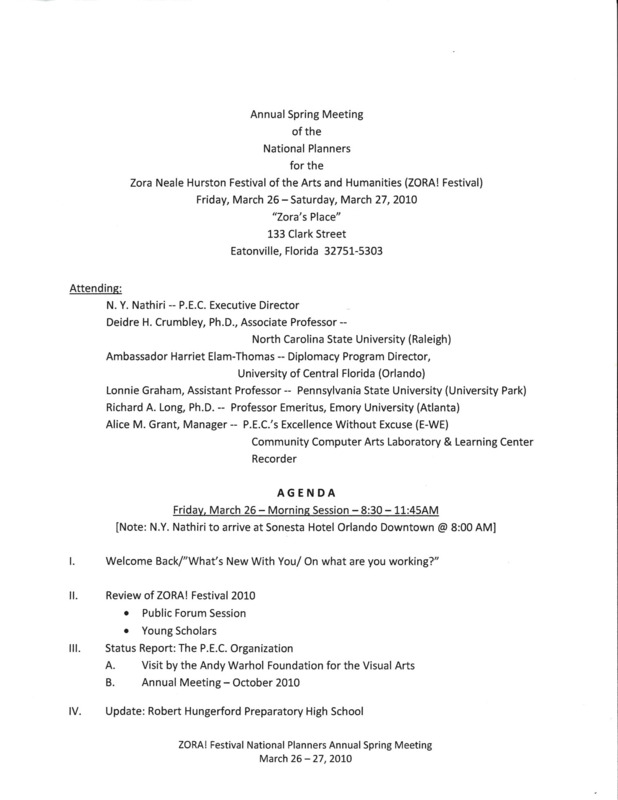
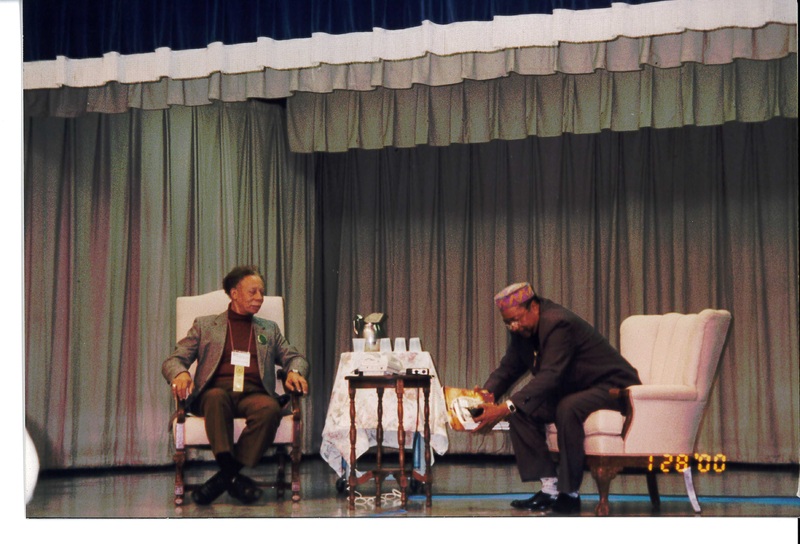
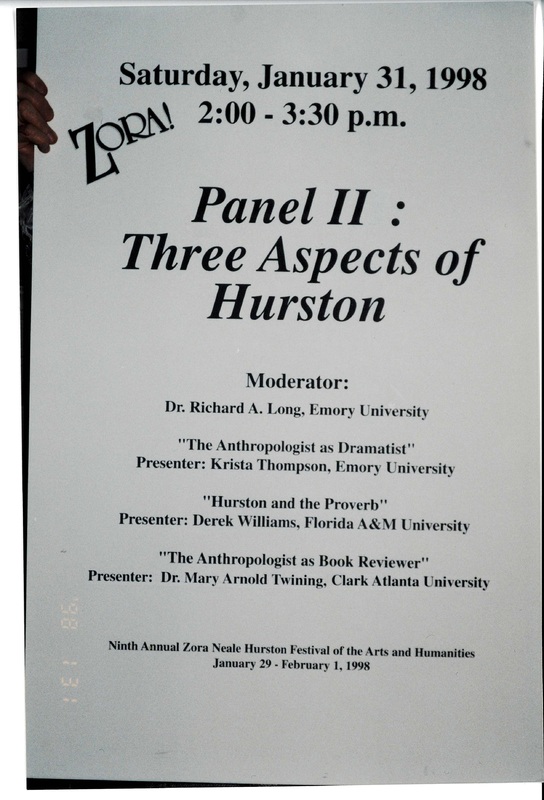
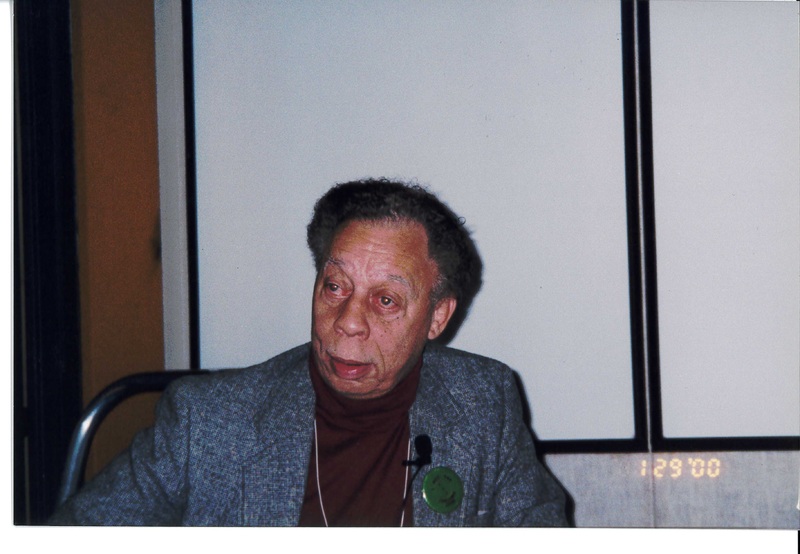
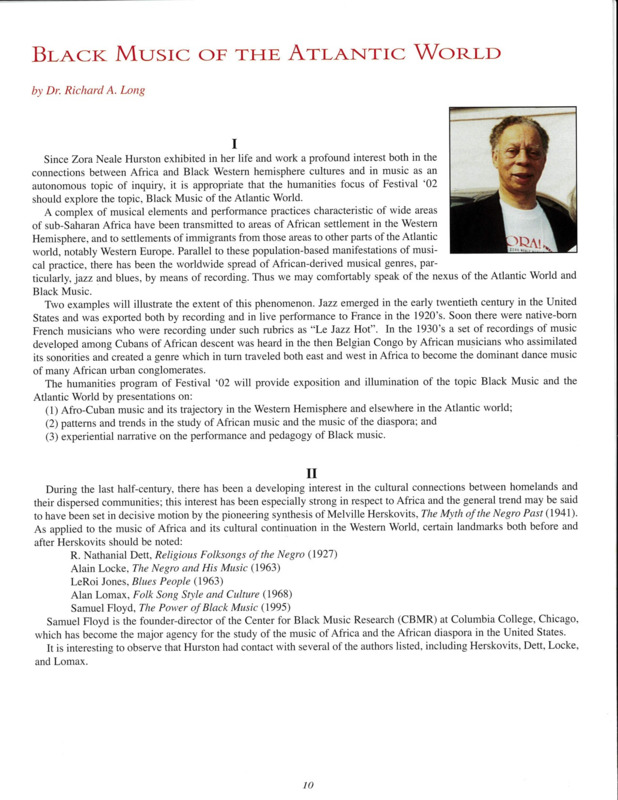
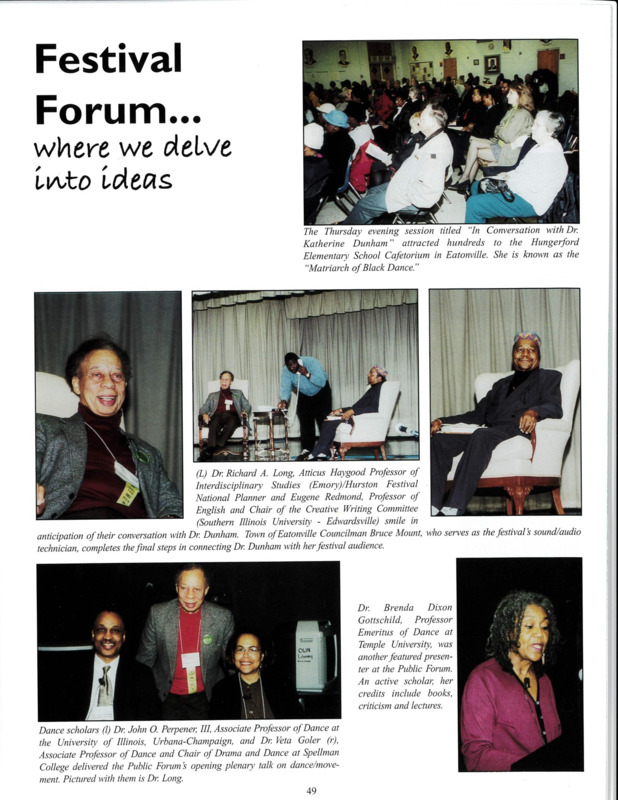
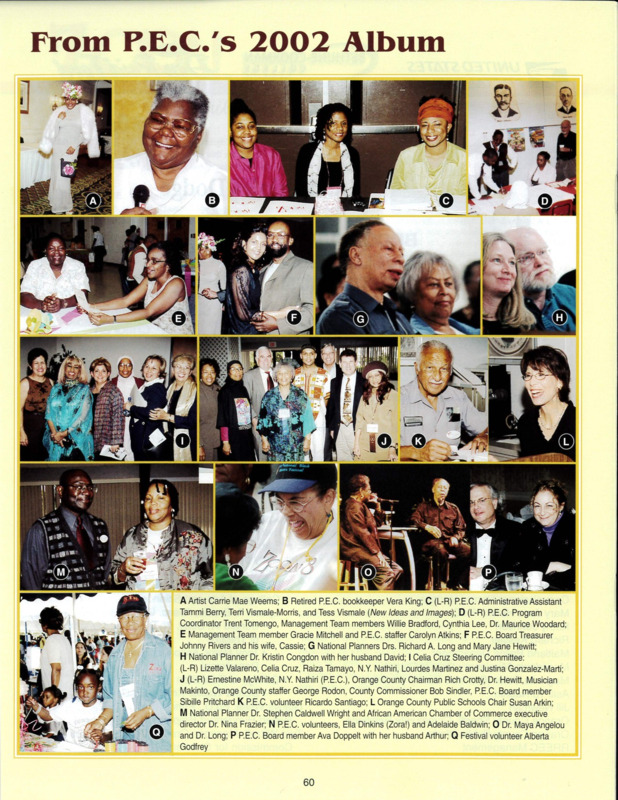
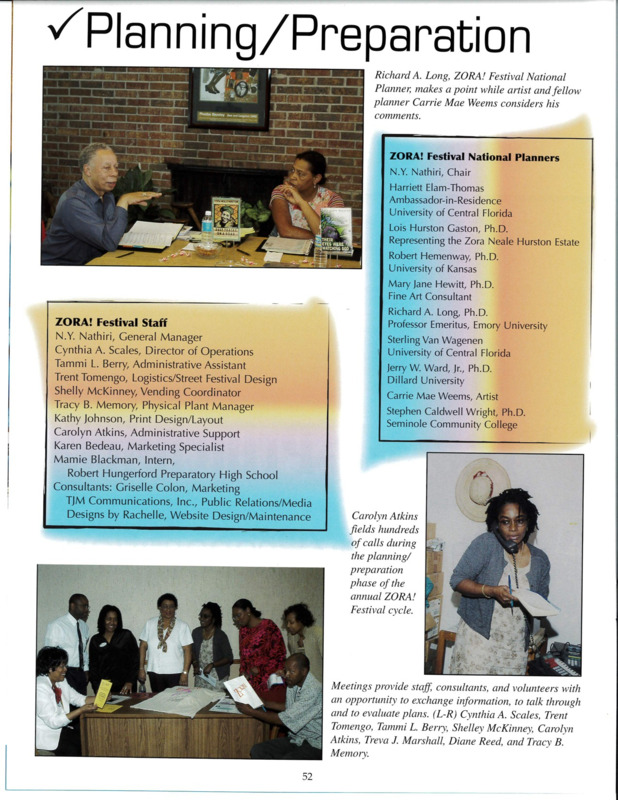
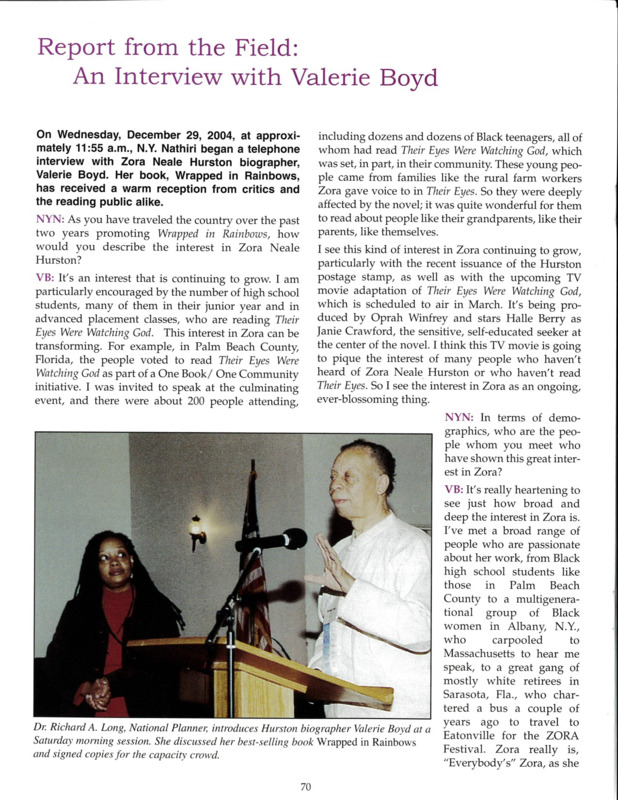
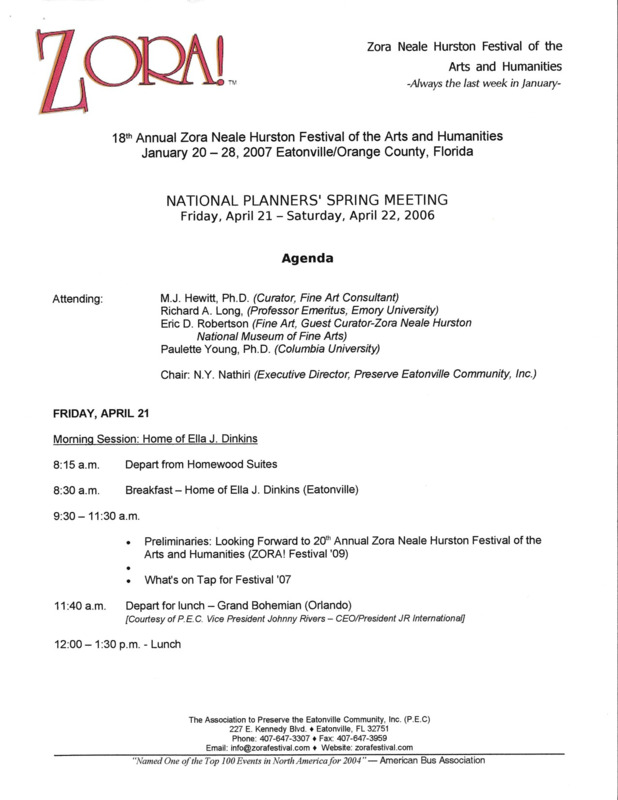
Debuting in 1990, the ZORA! Festival is an annual festival highlighting and celebrating the work of Author, Folklist and anthrpologist Zora Neale Hurston. The Festival takes place in Eatonville Florida (the birthplace of Hurston) and the surronding areas. Dr. Long served as one of the festival's national planners, tasked with most organizational matters related to the festival. Similar to the National Black Arts Festival, the ZORA! Festival gathered a number of notable scholars and artists who's work aliged with work and legacy of Zora Neale Hurston such as Carrie Mae Weems, Maya Angelou, Sonia Sanchez, and Max Roach. Like many others, Dr. Long viewed Hurston as the premier scholar for understanding African American folklore during the early 20th century and was greatly invested on the perserving her legacy in a way that engages the public.
No item selected