ZAMI Records
ZAMI Records document the history, organizing efforts, and cultural impact of ZAMI NOBLA (National Organization of Black Lesbians on Aging), a collective based in Atlanta dedicated to empowering lesbians of African descent. Founded in 1988, ZAMI has provided advocacy, leadership development, scholarship funding, and community programming that supports the social, political, and cultural lives of Black lesbians.
The collection spans from the 1990s through the early 2000s and includes organizational records, publications, event materials, photographs, and correspondence. Together, these materials reflect the ways ZAMI cultivated spaces of care, resistance, and community-building in Atlanta and beyond.
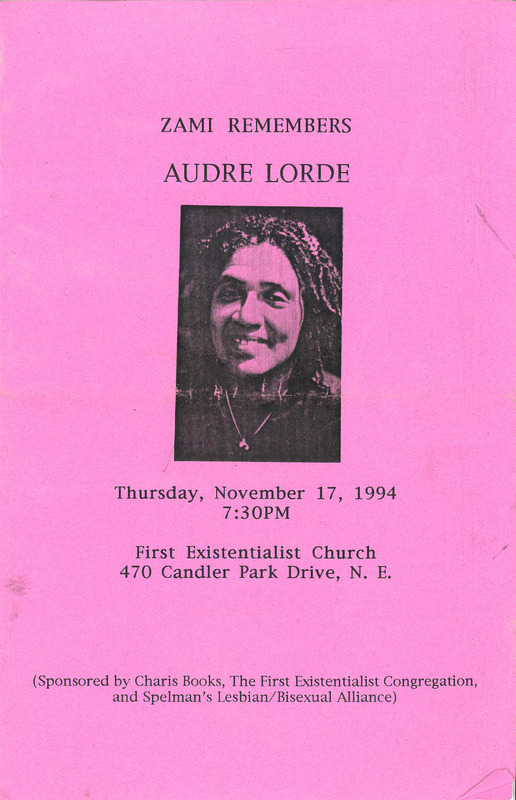
ZAMI Remembers Audre Lorde Event Flyer
ZAMI Remembers Audre Lorde event flyer, 1994. This program reflects the organization’s intellectual and cultural grounding in Black lesbian feminist thought and the enduring influence of Audre Lorde.
Organizational History and Community Formation
ZAMI originated from the Women of Color Caucus within the African American Lesbian and Gay Alliance (AALGA) in 1989. The organization’s name honors writer and activist Audre Lorde and draws from a Carriacou term meaning “women who work together as friends and lovers.”
Through its programming, ZAMI created a vital support network for Black lesbians in Atlanta, addressing social, political, and economic needs through discussion groups, public events, and collaborative initiatives.
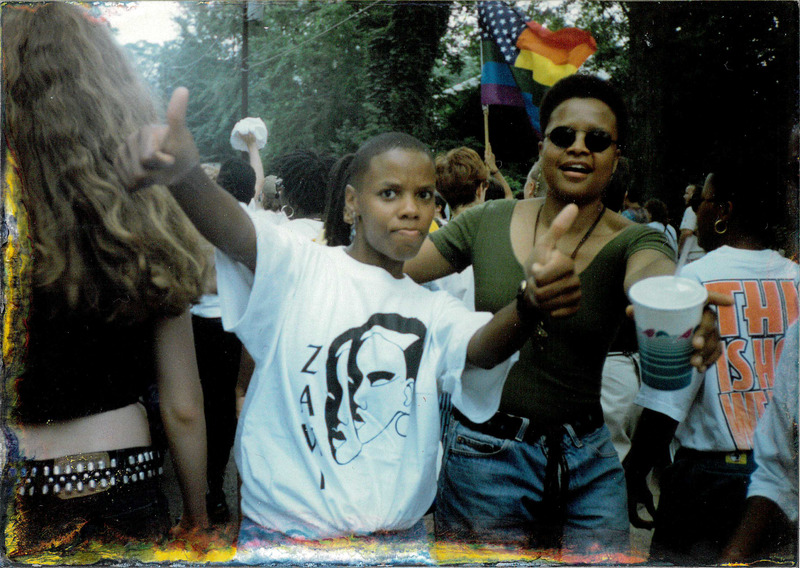
ZAMI Members at Pride Gathering
ZAMI members participating in a community gathering, circa 1990s. The photograph reflects visibility, joy, and collective identity within Black LGBTQ+ spaces.
Scholarship and Community Investment
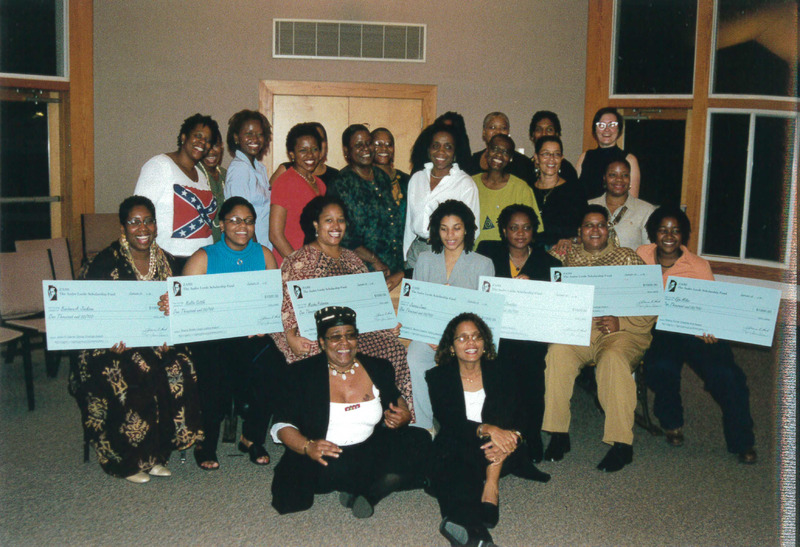
ZAMI’s commitment to education and leadership development is reflected in the Audre Lorde Scholarship Fund, which supports Black lesbians in their academic and personal pursuits. This image captures recipients and community members gathered in recognition of achievement, mentorship, and collective advancement.